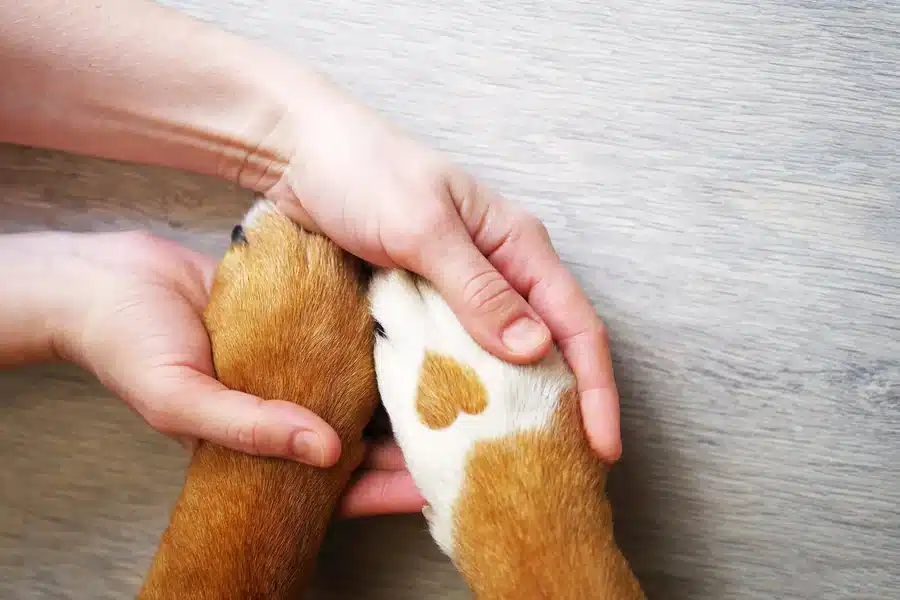
Local rescue groups carry heavy work with thin resources. You see the need every day. Lost pets. Sick strays. Overcrowded shelters. You also know you cannot fix this alone. A strong partner can change everything. That is where a Watertown vet and nearby rescue organizations come together. You share one goal. You want fewer animals suffering in silence and more in safe homes. Through clear agreements, shared records, and simple routines, clinics and rescues can move from crisis response to steady care. You can create low-cost treatment plans, fast spay and neuter slots, and safe spaces for urgent cases. You also help adopters feel supported after they bring an animal home. This blog shows how to build that kind of partnership. You will see what works, what fails, and what steps you can start this month.
Why this partnership matters
You face three hard truths. There are more animals than homes. Medical costs rise each year. Staff and volunteers feel worn out. A clinic rescue partnership eases all three. You bring medical skills. The rescue brings reach into the community. Together, you create steady routines that keep animals out of crisis.
The Centers for Disease Control and Prevention explains that pets help lower stress and support children’s growth. You protect that bond when you keep animals healthy and placed in safe homes. You can read more on pet health and families from the CDC at Healthy Pets, Healthy People.
How clinics support rescues
You can support a rescue in clear, simple ways. You do not need new equipment. You need structure and shared rules.
- Offer set low-cost exam slots each week
- Reserve urgent care spots for cruelty or neglect cases
- Provide vaccines, parasite control, and basic lab tests
Next, you build written protocols. You agree on what care each animal receives before adoption. You agree on when the rescue calls you. You also agree on who approves extra treatment. That clarity saves time and prevents conflict.
Common services you can share
You can focus on three main services. These services prevent disease, cut crowding, and raise trust in the adoption process.
- Spay and neuter surgery
- Core vaccines and parasite control
- Basic behavior checks and pain control
The American Veterinary Medical Association shares clear vaccine guidance for dogs and cats. You can use this to shape your rescue protocols. You can view this guidance at AVMA pet vaccinations.
Sample clinic rescue service plan
| Service type | Clinic role | Rescue role | Benefit to animals
|
|---|---|---|---|
| Spay and neuter | Provide surgery slots and post-surgery checks | Schedule animals and handle transport | Fewer litters and less shelter crowding |
| Vaccines | Set vaccine plan and give shots | Keep records and send reminders | Lower risk of disease spread |
| Parasite control | Choose products and monitor side effects | Give doses on time | Cleaner shelters and safer homes |
| Urgent care | Treat wounds and severe illness | Flag urgent cases and share history | Faster pain relief and higher survival |
| Adopter support | Offer first visit and clear care plan | Teach adopters and link them to the clinic | Fewer returns and stronger bonds |
How rescues support clinics
The partnership runs both ways. Rescues also support you.
- They bring steady cases that fill empty slots
- They share your name with adopters and volunteers
- They help gather history and behavior notes
Next, they can help with education. They can share your handouts on vaccines, safe handling, and bite prevention at events. That outreach reduces risk for the whole town.
Building strong communication
Clear communication turns a loose link into a trusted bond. You can set three simple tools.
- Use one shared intake form for every animal
- Hold a short monthly check-in meeting
- Set one main contact person for each side
First, agree on how you share records. You can use secure email. You can use a shared folder with access limits. You must protect private data and follow state rules. Second, agree on response times. For example, you might answer urgent questions within two hours and routine ones within one business day.
Supporting adopters after placement
Your job does not end at adoption day. New owners need clear guidance. When they feel lost, they may return the animal. That return harms everyone. You can prevent this with a simple plan.
- Offer a first wellness visit within two weeks of adoption
- Give a short printed care guide in plain language
- Invite adopters to call with questions during set hours
You can also offer group classes. These classes can cover basic training, safe child pet contact, and signs of pain. That support keeps animals in homes and reduces fear.
Measuring success together
You need proof that your partnership works. You can track three core numbers each year.
- Number of animals spayed or neutered through the partnership
- Number of adoptions that stay in place at six months
- Number of emergency visits for preventable problems
You can then share these numbers in a short yearly summary. You can use the summary to adjust your plans. You can also use it to seek grants or local support when needed.
First steps you can take this month
You do not need to wait. You can start small and grow.
- Reach out to one rescue and schedule a meeting
- Pick one shared service, such as vaccines or spay and neuter
- Write a simple one-page agreement that lists roles and costs
Then you test the plan for three months. You listen to the staff. You adjust the protocols. Over time, you add more services. Each clear step moves your town closer to a place where fewer animals suffer in silence and more rest in safe homes.
