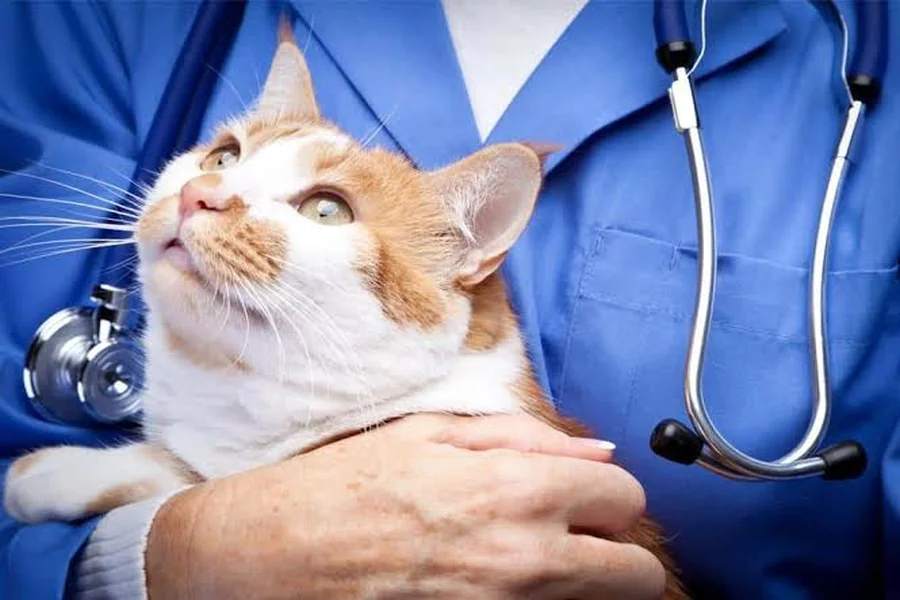
You might be looking at your pet right now, wondering if that small change in their behavior or appetite is “just a phase” or something you should worry about. Maybe you have meant to schedule a checkup for months with compassionate veterinary professionals in Mason, but life kept getting in the way. There is a quiet guilt that comes with that, mixed with real questions about cost, time, and whether it is truly necessary if your pet seems mostly fine.end
That tension is very common. You love your animal, you want to do right by them, yet it is hard to know when a vet visit is urgent and when it is simply “nice to have.” Regular check ups at veterinary hospitals sit right in the middle of that confusion. They do not feel urgent, but they often make the difference between catching a problem early and facing a crisis later.
The short version is this. Routine veterinary care is not about finding problems that are not there. It is about quietly protecting your pet’s comfort and your future peace of mind. Regular checkups help catch disease early, manage pain before it becomes obvious, keep vaccines and parasite control on track, and support the bond you have with your animal by keeping them healthier for longer.
Why do regular vet visits matter if my pet “seems fine” today?
Most animals are very good at hiding pain and discomfort. In the wild, showing weakness can be dangerous, so cats, dogs, and other pets often mask symptoms until a problem is advanced. That means by the time you see clear signs, such as limping, weight loss, or changes in behavior, the issue may already be serious.
Think about conditions like kidney disease in cats or heart disease in dogs. Early on, your pet may eat well, play, and look normal. A routine exam, simple bloodwork, or listening carefully to the heart and lungs can uncover quiet changes before they turn into an emergency visit at night with a huge bill and a very sick animal.
The emotional side is just as real. When something goes wrong suddenly, many pet owners carry a heavy “I should have caught this sooner” feeling. Regular check ups at a veterinary hospital are one of the most practical ways to reduce that regret. You are not expected to notice every subtle sign. That is what a trained veterinary team is there to help with.
What actually happens during a regular veterinary checkup?
Because of the uncertainty, you might wonder what you are really paying for at a routine visit. A good wellness exam is far more than a quick look and a vaccine.
During a typical routine veterinary exam, the team will usually:
- Ask about your pet’s daily life. Eating, drinking, sleeping, energy levels, bathroom habits, and behavior changes all give clues.
- Perform a nose to tail physical exam. This includes checking eyes, ears, teeth, skin, joints, heart, lungs, abdomen, and weight.
- Review vaccine status and parasite prevention. Fleas, ticks, and worms are not just annoying. They spread disease to pets and sometimes people.
- Talk about nutrition and weight. Extra weight can quietly strain joints, heart, and organs for years before you notice a problem.
- Recommend tests based on age and risk. Bloodwork, urine tests, or imaging are often suggested for senior pets or those with risk factors.
It can help to know that caring for your pet also protects your household. Many parasites and infections pass between animals and humans. Public health experts share guidance on keeping both pets and people healthy, and regular vet care is a central part of that picture.
What happens if you delay or skip veterinary visits?
Skipping regular checkups might feel harmless in the short term. Your pet looks fine, you save money and time, and nothing seems urgent. The trouble is that health problems rarely appear out of nowhere. They grow in the background, quietly, year after year.
Imagine a middle aged dog with slightly bad breath and a bit of tartar on the teeth. Without regular exams, that mild dental issue can become advanced periodontal disease. Infection can spread under the gums, teeth become painful or loose, and bacteria can affect the heart and kidneys. What might have been solved with a dental cleaning and better home care turns into extractions, antibiotics, and a much higher bill, not to mention the discomfort for your dog.
Or think about a cat who is drinking a bit more water than usual. It is easy to miss or dismiss. A vet might catch early kidney changes or diabetes during a routine visit. If that visit never happens, you may not notice until your cat is losing weight, vomiting, or too weak to jump. At that point, treatment is more intense, your cat feels far worse, and your choices may be limited.
There is also the financial side. Preventive care has a cost, but it is usually much lower than emergency or advanced disease treatment. Regular checkups, vaccines, parasite control, and simple tests spread the cost out over time and lower the risk of facing a sudden, painful decision about what you can afford when your pet is acutely ill.
How do the risks and benefits of regular checkups compare?
To make this more concrete, it can help to see the trade offs in a simple comparison. Every pet and family is different, but some patterns show up again and again.
| Aspect | With Regular Veterinary Checkups | Without Regular Veterinary Checkups |
|---|---|---|
| Detection of disease | Higher chance of catching issues early, often before symptoms appear | Problems often found late, when signs are obvious and damage is greater |
| Costs over time | Steady preventive costs, usually lower long term | Fewer small bills, but higher risk of sudden large emergency expenses |
| Pet comfort and quality of life | Ongoing pain and discomfort are more likely to be noticed and treated | Hidden pain or chronic disease may go untreated for months or years |
| Infectious disease and parasites | Vaccines and preventives kept current, lower risk for pets and people | Higher risk of infections, parasites, and zoonotic diseases in the home |
| Owner stress and guilt | Greater peace of mind, fewer “what if I had gone sooner” worries | More uncertainty, more regret if a preventable issue becomes severe |
If you want to understand more about common conditions and treatments before you visit your vet, resources on animal health literacy for pet owners can be very helpful. They can make your conversations with the veterinary team feel less overwhelming and more collaborative.
What are the practical steps to start a better vet routine?
You do not need to overhaul everything at once. A few focused actions can create a safer pattern for your pet without adding chaos to your life.
- Set a simple schedule based on your pet’s age
As a general guide, young adults and healthy middle aged pets do well with an annual wellness exam. Seniors or pets with ongoing conditions often benefit from visits every six months. If you are unsure, call your local veterinary hospital and ask what they recommend for your pet’s age and species. Put the suggested interval into your calendar right away, with a reminder a month in advance, so it does not depend on memory alone.
- Prepare a short “health snapshot” before each visit
A few minutes of preparation can make the checkup far more useful. Write down:
- Any changes in appetite, thirst, weight, or energy
- New behaviors, like hiding, clinginess, or aggression
- Bathroom changes, such as accidents, straining, or diarrhea
- Medications, supplements, or treats you give, including doses
- Questions you have about food, exercise, or aging
Bring photos or short videos if your pet does something at home that never happens at the clinic, such as limping after exercise or coughing at night. This gives the vet a clearer window into your pet’s daily life and helps tailor care, turning a standard exam into a truly regular pet health checkup that fits your animal.
- Plan for costs and communication in advance
Money worries often delay care. If you can, ask the clinic for a rough estimate of a wellness visit before you book. Some hospitals offer wellness plans, senior pet packages, or discounts for multiple pets. Even if that is not available, knowing the likely range makes it easier to budget.
During the visit, be honest about what you can afford right now. A good veterinary team will prioritize, explain which tests or treatments are most important, and help you make stepwise decisions instead of feeling pressured into everything at once. The goal is not perfection. It is steady, realistic care that respects both your pet and your circumstances.
Moving forward with more confidence and less fear
You do not have to fix the past or feel bad about what you did not know. What matters is the next choice. Scheduling regular check ups at veterinary hospitals is one of the most concrete ways to protect the animal who depends on you, and to protect yourself from the shock and heartbreak of avoidable crises.
Start with one call to your trusted clinic and book a wellness exam. Bring your questions. Share your worries. Use that visit to build a plan that fits your pet’s age, health, and your reality. Step by step, those routine visits become a quiet shield around your pet’s life, and a source of real peace of mind for you.
