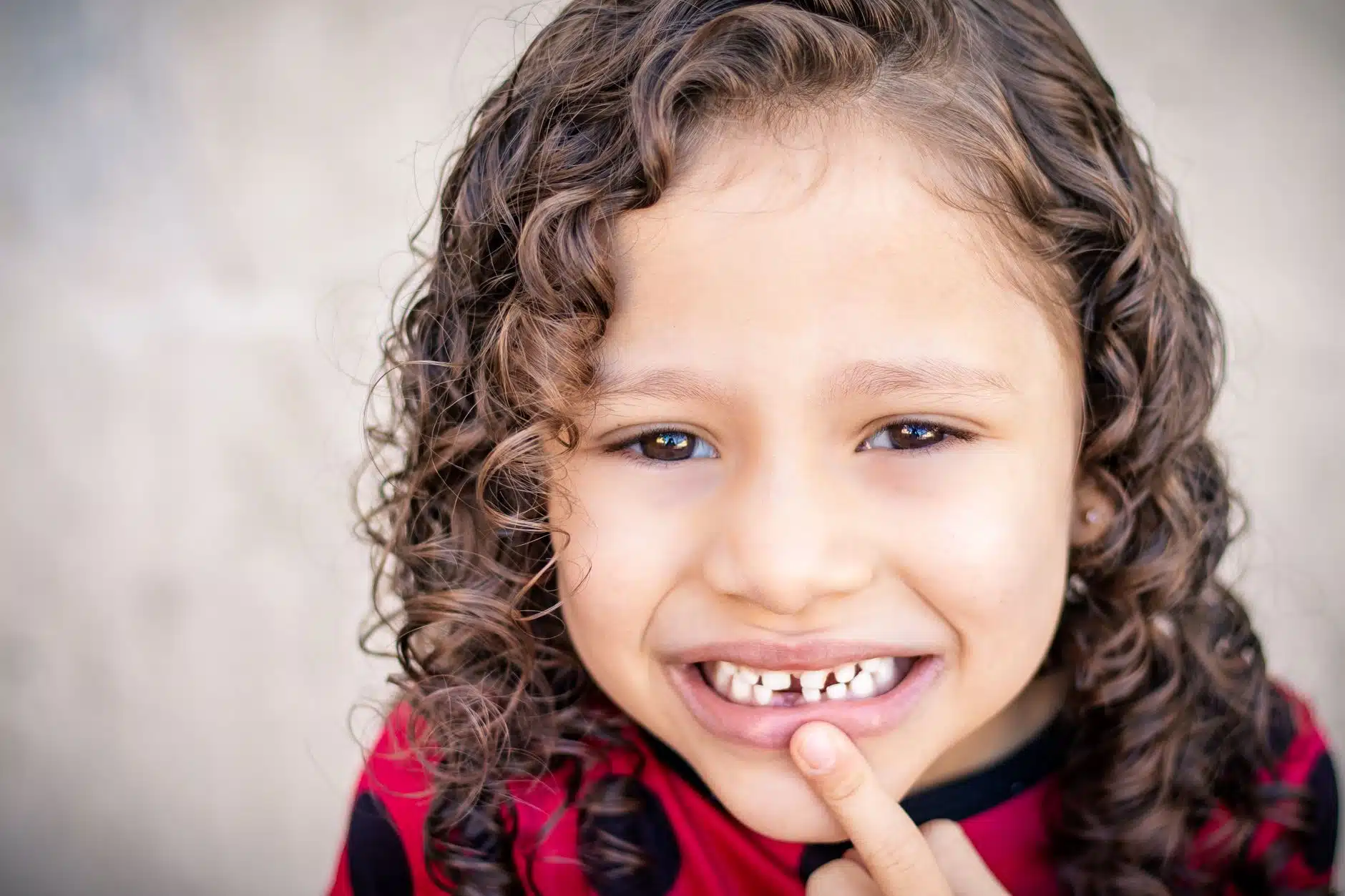
You might be staring at the gap where a tooth used to be and feeling a mix of worry and guilt. Maybe it was pulled after a bad infection, or it cracked in an accident, or it simply gave out after years of fillings. At first, the empty space might seem like a small thing. You can still chew. You can still talk. With options like implant dentistry in Merced, CA, you might tell yourself you will deal with it later.end
Then you start to notice little changes. Food catches in that space. The tooth next to it feels a bit sensitive. You catch yourself hiding your smile in photos. You wonder if leaving that space alone is quietly causing more damage than you can see.
If that sounds familiar, you are not alone. Many people only learn how much one missing tooth affects the rest of their mouth after it is gone. The good news is that a single tooth dental implant does much more than “fill the gap.” It supports the health of the teeth on either side, protects your bite, and helps keep your jawbone strong.
In simple terms, a single tooth implant replaces the entire tooth, root and all, without cutting down the healthy teeth next to it. Because of that, it is often the most protective option for your neighboring teeth and your long term oral health.
Why does one missing tooth cause so many problems?
It helps to understand what is actually happening in your mouth after a tooth is lost. Your teeth are not just lined up like tiles. They support each other. They pass biting forces from one tooth to the next. They keep each other in place. When one tooth goes missing, that balance is disturbed.
Without a tooth in place, the neighboring teeth begin to drift into the empty space. They can tilt or rotate. The opposing tooth in the other jaw can start to “over-erupt,” meaning it grows further out of the gum because nothing is stopping it. This can change the way your teeth meet when you chew, which can lead to jaw discomfort, uneven wear, and even cracks in other teeth.
On top of that, the bone that used to support the lost tooth root starts to shrink because it no longer gets the natural stimulation from chewing. This bone loss can affect the roots of neighboring teeth and make them less stable. Over time, that single missing tooth can set off a chain reaction.
So where does that leave you when you are deciding between a bridge, a removable partial, or an implant for that one missing tooth?
How do single tooth implants protect the teeth beside them?
A single tooth implant is different from other options because it replaces the root as well as the visible part of the tooth. A small titanium post is placed in the bone where the root used to be. Over time, the bone fuses to this post. Then a custom crown is attached on top. You can read more about the basic procedure in this overview of single tooth dental implants from the American Academy of Periodontology.
Here is why this approach is so protective for neighboring teeth.
First, the teeth next to the space do not need to be drilled down. A traditional dental bridge often requires shaving healthy neighboring teeth so they can support the bridge. That removes protective enamel and can increase the risk of decay or root canal treatment later. An implant stands on its own, so your neighboring teeth stay untouched.
Second, the implant helps keep your teeth from drifting. Because it is anchored in the bone like a natural root, it holds the space firmly. The neighboring teeth have something to “lean” against again, which helps maintain their position and the shape of your bite.
Third, an implant helps preserve bone. That titanium post signals to your jawbone that it still has a job to do. This stimulation while chewing helps reduce the bone loss that usually follows tooth removal. Less bone loss can mean more support for the roots of the teeth on either side. If you are curious about the science, Columbia University’s patient guide on dental implants and jawbone preservation explains this connection clearly.
Finally, a well placed implant spreads chewing forces in a more natural way. Instead of overloading the neighboring teeth, the bite pressure goes down through the implant into the bone below, the way it would with a natural tooth. This can reduce the risk of cracks or wear on the teeth that have been “doing extra work” since the original tooth was lost.
What are the tradeoffs compared to other tooth replacement options?
You may be weighing a bridge, a removable partial denture, or doing nothing at all. Each choice carries its own costs and consequences, both emotional and financial. It is normal to feel stuck between wanting to protect your mouth and worrying about the impact on your budget or your schedule.
To make this more concrete, here is a side by side look at how a single tooth dental implant, a traditional bridge, and leaving the space empty can affect the teeth around the gap. Research summarized in the NCBI resource on dental implant outcomes generally supports the stability and long term success of implants when placed and cared for properly.
|
Option |
Impact on neighboring teeth |
Bone preservation |
Typical longevity with good care |
|
Single tooth implant |
No drilling of neighboring teeth. Helps prevent drifting and over-eruption. |
Supports bone in the area by acting like a tooth root. |
Often 10+ years, many last much longer. |
|
Traditional dental bridge |
Requires reshaping neighboring teeth for crowns. Extra load on those teeth. |
Does not replace root, so bone under missing tooth can still shrink. |
Commonly 7 to 10 years before repair or replacement. |
|
Leaving the space empty |
Higher risk of neighboring teeth tilting and shifting. Bite can change. |
Bone loss in the empty area over time. |
No hardware to fail, but may lead to new dental problems. |
When you see it laid out this way, it becomes clearer why many dentists view an implant as a protective choice, not a cosmetic luxury. The upfront cost can be higher, yet it often pays off over time by reducing the need to fix damage to neighboring teeth.
What should you think about before choosing a single tooth implant?
Every mouth and every life situation is different. You may have health conditions, schedule limits, or financial pressures that affect your decision. That is okay. A good implant dentist will walk through these factors with you instead of pushing you toward a one size fits all solution.
Here are three practical steps you can take now to move from worry to a clear plan.
1. Get a thorough evaluation of the gap and the neighboring teeth
Ask for a detailed exam that includes X rays or a 3D scan. The goal is to look not just at the empty space, but also at the teeth beside it and the bone underneath. Questions you might ask.
- Are the neighboring teeth healthy enough to stay untouched if I choose an implant?
- Is there enough bone to support an implant, or would I need bone grafting?
- How are my other teeth and bite being affected by this missing tooth right now?
Hearing clear answers can calm some of the “what if” thoughts that keep you stuck.
2. Compare long term impact, not just short term cost
It is natural to look at the immediate price tag first. Try also asking your dentist to walk you through the likely costs over ten years for a bridge, a removable option, and a dental implant. Include possible repairs, replacements, and the risk of future treatment on neighboring teeth.
Sometimes the option that feels cheaper at first can end up costing more in repeated work. You deserve to see the full picture so your choice fits both your budget and your peace of mind.
3. Ask specifically how each option protects or risks the teeth next to the space
During your consultation, bring the focus back to your neighboring teeth. You might ask.
- Will this option require drilling or crowning the teeth beside the space?
- How will this choice affect the bone and gums around the neighboring teeth over time?
- If I do nothing for now, what changes might you expect to see in the next few years?
Hearing your dentist explain the tradeoffs in plain language can help you feel like a partner in the decision instead of a bystander.
Moving forward with more confidence
Living with a missing tooth can wear on you quietly. You may worry about your smile, your chewing, or the health of the teeth that are still holding strong. You may also feel a bit of regret, wishing you had acted sooner.
You cannot change how that tooth was lost, but you do have real control over what happens next. A well planned single tooth implant to replace a missing tooth often does more than restore your smile. It protects the neighboring teeth you still have, supports your jawbone, and helps keep your bite stable for years.
You do not have to decide everything today. Start with one step. Schedule a thoughtful conversation with a dentist who has experience with implants, bring your questions, and focus on one guiding goal. Protecting the teeth you still have while restoring the one you lost.
