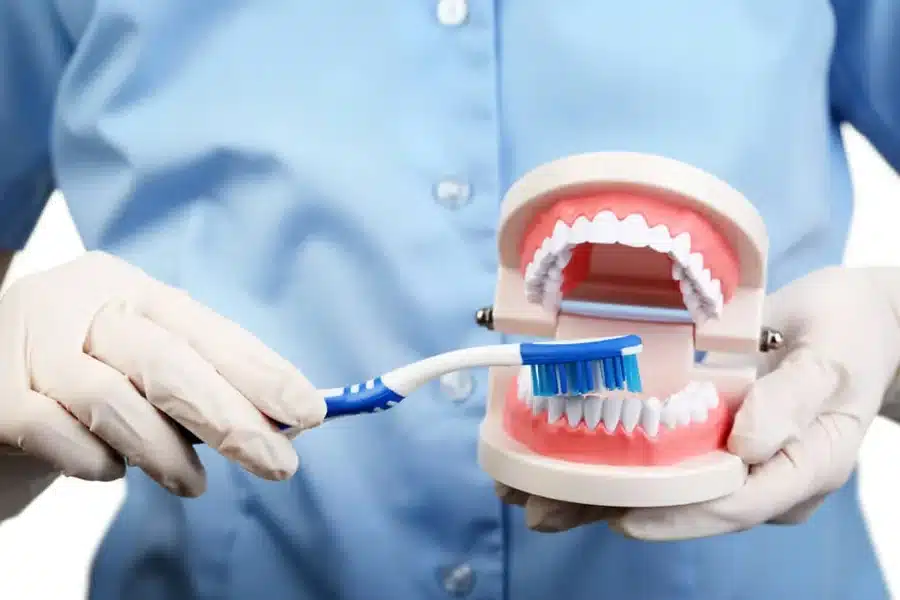
Your teeth face constant attack from plaque, acid, and daily wear. Small problems grow fast. You can stop many of them before they start. Preventive dental treatments give your teeth a strong defense so you avoid pain, infection, and costly repairs later. They also help you keep your natural teeth longer. This blog explains 4 Preventive Dental Treatments That Protect Your Teeth and how each one works in your mouth. You will learn what happens during each treatment, who needs it, and how often you should get it. Many people wait until they feel pain. That delay often leads to root canals, extractions, or gum disease. Instead, you can choose steady protection. Lansing dentists use these same treatments every day to block decay and protect smiles of all ages. With the right care plan, you can keep eating, speaking, and smiling with comfort and confidence.
1. Professional cleanings
You brush and floss at home. That care is not enough. Professional cleanings remove hardened plaque that a toothbrush cannot reach. You also get a careful check of your gums and teeth.
During a cleaning, your hygienist:
- Scrapes away tartar from teeth and gumlines
- Polishes your teeth to smooth rough spots where plaque clings
- Checks for bleeding, pockets, or early gum disease
The Centers for Disease Control and Prevention explains that untreated plaque leads to cavities and gum disease. Regular cleanings cut that risk and make home brushing easier.
You should schedule cleanings at least twice each year. You may need more visits if you smoke, have diabetes, or have a history of gum disease. Early cleanings cost less than fillings or root canals. They also protect your breath and your confidence.
2. Fluoride treatments
Fluoride is a natural mineral. It helps repair weak enamel and makes teeth more resistant to acid from food and bacteria. You get some fluoride from water and toothpaste. A dental fluoride treatment gives your teeth a stronger dose right where you need it.
During this treatment, your dentist:
- Dries your teeth
- Paints on a fluoride gel, foam, or varnish
- Let’s let it sit for a few minutes so your teeth absorb it
The National Institute of Dental and Craniofacial Research explains that fluoride reduces tooth decay for children and adults. It helps reverse early weak spots before they turn into cavities.
You may need fluoride if you:
- Get new cavities often
- Have dry mouth from medicine or health conditions
- Wear braces or clear aligners
- Drink mostly bottled or filtered water
Most people receive fluoride treatments every 3 to 12 months. Your dentist will set a schedule based on your risk for decay.
3. Dental sealants
Back teeth have deep grooves. Food and bacteria collect there and are hard to clean. Sealants act like a shield that covers those grooves. They are thin coatings placed on the chewing surfaces of molars.
During a sealant visit, your dentist or hygienist:
- Cleans and dries the tooth
- Applies a gentle gel to help the sealant bond
- Rinses and dries the tooth again
- Paints on the liquid sealant
- Uses a special light to harden it
Sealants work best for children soon after molars come in. Adults with no decay in those grooves can benefit as well. Sealants do not hurt. They also do not require shots or drilling.
Many sealants last several years. Your dentist will check them at each visit and repair them if needed. Sealants are often less costly than one filling. They help you avoid pain and missed school or work from toothaches.
4. Routine exams and X-rays
Exams and X-rays let your dentist see small problems before you feel them. A careful exam can find early decay, cracked teeth, worn fillings, or signs of grinding. X-rays reveal decay between teeth and under existing fillings. They also show bone loss from gum disease.
During a routine exam, your dentist:
- Reviews your medical and dental history
- Checks each tooth for soft spots or chips
- Looks at your gums, tongue, and cheeks
- May screen for oral cancer
You usually need bitewing X-rays every one to two years. You may need them more often if you get cavities often or have complex dental work. Radiation from modern dental X-rays is low. Dentists use lead aprons and other steps to protect you.
How these treatments compare
You can use all four treatments as part of one strong plan. Each does a different job. Together they protect your teeth, gums, and jaw.
| Treatment | Main purpose | Best for | How often
|
|---|---|---|---|
| Professional cleanings | Remove plaque and tartar | Children and adults | Every 6 months or as advised |
| Fluoride treatments | Strengthen enamel and prevent decay | High risk for cavities or dry mouth | Every 3 to 12 months |
| Dental sealants | Protect deep grooves on molars | Children, teens, some adults | Every few years, checked at each visit |
| Exams and X rays | Find early problems | Everyone with natural teeth | Exams every 6 months. X-rays every 1 to 2 years |
Putting it all together
You do your part at home with brushing twice a day and flossing once a day. You also limit sugary snacks and drinks. These four treatments add a safety net when your daily care is not enough.
Here is a simple plan:
- Schedule cleanings and exams every 6 months
- Ask about fluoride if you get cavities or have dry mouth
- Request sealants for children as soon as molars erupt
- Keep regular X-rays so your dentist can see hidden problems
Small steps now prevent larger damage later. You protect your comfort, your health, and your budget. You also give your family a stronger chance to keep natural teeth for life.
