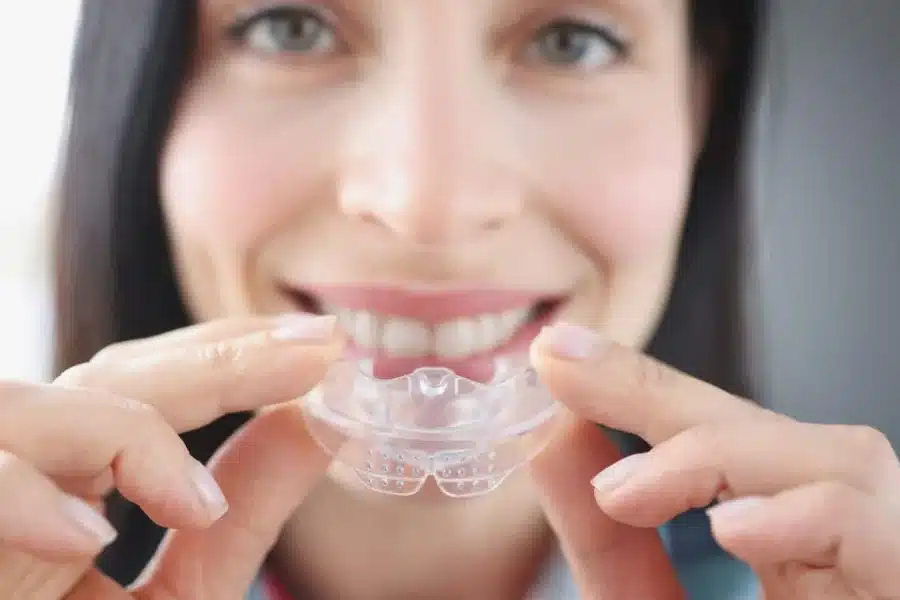
Contact sports test more than strength. They test your teeth. Braces move your teeth into a safer position, but they also leave them exposed during hits, falls, and sudden blows. One hard impact can cut your lips, bend a bracket, or crack a tooth. That damage can hurt, cost money, and delay your treatment. This blog explains how to protect your mouth with the right mouthguard while you wear braces. You will see what to look for, what to avoid, and how to keep your treatment on track during practice and games. You will also learn how options like Invisalign in Redlands and Loma Linda fit into contact sports and protection. You deserve strong teeth, a steady smile, and peace of mind every time you step onto the court or field.
Why Mouthguards Matter When You Have Braces
Braces add metal parts to your mouth. That hardware can cut soft tissue during contact. A mouthguard acts like a cushion between your braces and the hit.
Without a mouthguard, a blow can:
- Push brackets into your lips or cheeks
- Break brackets or wires
- Chip or crack teeth
Every injury can mean extra visits, more cost, and longer time in braces. A simple mouthguard lowers that risk. It also protects players around you from contact with your braces during close play.
Sports That Need Mouthguards With Braces
The American Dental Association urges mouthguards for many sports. This is even more true when you wear braces. You should use a mouthguard for:
- Football, soccer, basketball, rugby, hockey
- Wrestling, martial arts, boxing
- Lacrosse, field hockey, water polo
- Skateboarding, biking, gymnastics
Some sports look low contact but still carry risk. A stray elbow, ball, or fall can reach your mouth fast. If you sweat, move fast, or share space with others, treat a mouthguard like part of your uniform.
Types Of Mouthguards For Braces
You have three main choices. Each one protects you in a different way.
| Type | How It Is Made | Fit With Braces | Cost Range | Best For |
| Stock | Pre-shaped, ready to wear | Loose fit, hard to keep in place | Low | Short term use or backup only |
| Boil and bite (braces style) | Soft plastic warmed in hot water, then molded | Better fit, must leave space for brackets | Low to medium | Most youth and adult players with braces |
| Custom | Dental team makes it from a model of your teeth | Snug fit, can adjust for braces and growth | Higher | Serious athletes or high contact sports |
Stock guards often feel bulky. They can make it hard to breathe or talk. Boil and bite guards, made for braces, give better comfort. Custom guards offer the best balance of comfort, speech, and safety.
Key Features To Look For With Braces
When you choose a mouthguard with braces, focus on three things.
- Room for braces. The guard should cover brackets and wires without pressing hard on them.
- Stability. It should stay in place when you talk and breathe through your mouth.
- Durability. It should not tear or thin out after a few uses.
A guard that is too tight can pull off brackets when you remove it. A guard that is too loose can fall out during play. Your dental team can help you find the right balance for your sport and mouth.
How To Use A Mouthguard With Braces
Good use matters as much as good design. Follow three simple steps.
- Wear it for practice and games. Impacts often happen during practice. Put it in before warmups and keep it in until you leave the field or court.
- Seat it gently. Place the guard over your upper teeth. Press with your fingers, not your bite. That way you avoid bending wires.
- Remove it slowly. Use both hands to pull it straight down. Do not twist or snap it off your teeth.
If your guard feels tight after an adjustment, tell your orthodontist. You may need a new fit as teeth move.
Cleaning And Storage To Prevent Germs
A dirty mouthguard can spread germs and cause mouth sores. The Centers for Disease Control and Prevention gives clear steps for safe use of sports gear.
Use these habits every day:
- Rinse the guard with cool water after each use
- Brush it gently with a toothbrush and mild soap
- Let it air dry fully on a clean surface
- Store it in a vented case away from heat
Never chew on your guard. That weakens the material and lowers protection.
Mouthguards, Braces, And Concussion Risk
Research shows that mouthguards help reduce dental injuries. They may also reduce the force that reaches the jaw and skull. For general facts on sports safety, you can review the National Institutes of Health resource on sports injuries: MedlinePlus sports injuries.
A mouthguard does not prevent all concussions. Still, it adds one more layer of safety. When you combine a guard with a helmet, rules that limit head contact, and smart play, you lower the risk for serious harm.
Invisalign, Braces, And Sports
Clear aligners like Invisalign work in a different way than metal braces. You can remove them during contact sports. That sounds simple, yet it adds choices.
You can:
- Remove the aligner and wear a standard sports mouthguard
- Leave the aligner in if your dental team agrees, then place a guard over it
- Use a guard made to fit over aligners during high-impact play
Each choice affects how long you wear the aligners each day. Skipping hours can slow your progress. Talk with your orthodontist about your sport, schedule, and goals. Then, agree on a clear plan that protects both teeth and treatment.
When To Call Your Orthodontist After An Injury
After a hit to the mouth, check your braces and teeth in a mirror. Call your orthodontist if you notice:
- Loose, bent, or missing brackets
- Wires sticking out or poking tissue
- Chipped, cracked, or loose teeth
- Cuts that keep bleeding or feel deep
Do not try to bend wires back with your fingers. Use orthodontic wax to cover sharp spots. Then seek care. Fast treatment can prevent long-term harm.
Helping Your Child Stay Consistent
Young players often forget mouthguards. You can support them with three simple steps.
- Attach the guard case to their sports bag
- Ask coaches to remind the team before drills
- Set a rule that they do not take the field without it
With time, the guard feels like part of the uniform. That habit can protect their smile through many seasons.
Simple Steps To Protect Your Smile
You can protect your braces and your teeth with a few steady choices. Choose a mouthguard that fits over braces. Wear it every time you play or practice. Clean and store it with care. Then stay in close touch with your orthodontist about changes, hits, or pain.
Your treatment aims for a strong, even bite and a calm smile. Smart use of a mouthguard lets you keep playing the sports you love while you reach that goal.
