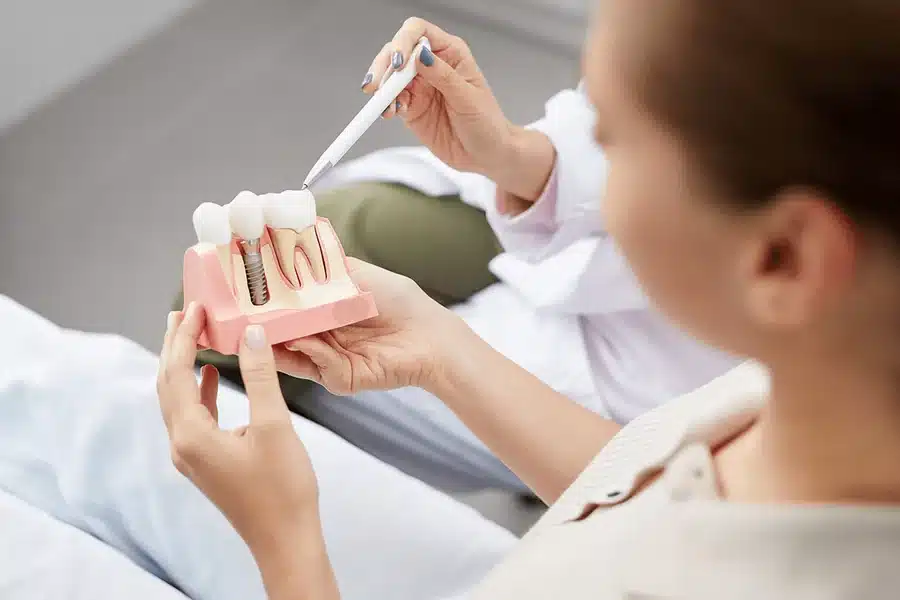
You might feel stuck when you hear you are not a “good candidate” for standard dental implants. Bone loss, health limits, money pressure, or fear of long treatment can leave you feeling powerless. Mini dental implants give you another path. These small, strong posts can support teeth when regular implants are not possible. They often need less bone, less healing time, and fewer visits. Many people eat, speak, and smile again after years of hiding their teeth. An implant dentist Queens can often place mini implants in one visit, with gentle care and clear steps. You still deserve steady teeth, even with medical issues or a tight budget. This guide explains how mini dental implants work, who they help, and what you can expect before, during, and after treatment. You can ask hard questions. You can demand clear answers. You can reclaim your mouth.
What Mini Dental Implants Are
Mini dental implants are small metal posts that act like roots for new teeth. Each post has a narrow screw and a ball at the top. A denture or crown clips onto the ball.
You still get a firm base for chewing. You just need less bone for support. That helps when you lost teeth years ago and the bone has shrunk.
Standard implants often need bone grafts. Mini implants often avoid that. That means fewer visits and less healing time for you.
Who Mini Dental Implants Can Help
Mini implants can help many people who heard “no” before. You may be a match if you have one or more of these issues.
- Loose lower denture that moves when you eat or talk
- Missing front teeth with thin bone
- Health limits that rule out long surgeries
- Fear of complex treatment plans
- Need for a lower cost choice
Older adults often feel ignored when they ask about new teeth. Mini implants can still support you even with health limits. Your mouth’s health affects your whole body. The Centers for Disease Control and Prevention links poor mouth health with heart disease and diabetes control. Steadier teeth can help you eat better food and care for your gums.
How Mini Dental Implants Compare With Standard Implants
Both types aim to replace missing teeth. Yet they differ in size, cost, and care. This table shows key points you can use in your talks with your dentist.
| Feature | Mini Dental Implants | Standard Implants
|
|---|---|---|
| Typical diameter | About 2 to 3 mm | About 3.5 to 6 mm |
| Bone need | Less bone needed | More bone needed |
| Common use | Stabilize dentures or replace small teeth | Replace single teeth or full arches |
| Healing time before use | Often same day or a few days | Often several months |
| Need for bone graft | Less common | More common |
| Typical visit count | Fewer visits | More visits |
| Upfront cost per tooth | Often lower | Often higher |
This chart is a guide, not a rule. Your mouth, health, and goals still matter most.
What To Expect During Mini Implant Treatment
You deserve clear steps. Here is a simple path many people follow.
1. First visit and planning
- Talk about your health, medicines, and goals
- Get an exam and X rays
- Review choices, risks, and costs
You can bring a list of questions. Ask about success rates, pain control, and what happens if an implant fails.
2. Implant placement day
- Local numb medicine to block pain in the mouth
- Small openings in the gums
- Placement of the mini posts into the bone
- Attachment of a denture or temporary teeth in many cases
Many people eat soft food the same day. You may feel sore, not helpless.
3. Healing and follow up
- Short rest on the day of treatment
- Soft foods for a few days
- Checkup visits to adjust your bite and fit
The bone grows around the posts and locks them in place. That bond is the same basic process used for standard implants.
Benefits That Matter In Daily Life
Mini implants are not just about teeth. They protect your daily life.
- You can chew meat, raw vegetables, and nuts with less fear
- You can speak without a denture sliding out
- You can laugh without covering your mouth
The National Institute of Dental and Craniofacial Research reports that tooth loss rises with age. Missing teeth can affect your nutrition and social life. Steady teeth help you stay present with family, at work, and in public spaces.
Risks And Limits You Should Know
Every procedure carries risk. You have a right to hear them in plain words.
- Implant loosening or failure over time
- Infection if you do not keep the mouth clean
- Gum soreness from poor denture fit
- Need for replacement or repair later
Mini implants may not be right for heavy grinders or people who smoke and will not stop. People with uncontrolled diabetes or strong immune problems may also face a higher risk. You and your dentist should weigh these issues together.
How To Care For Mini Dental Implants
Good care protects your money and your comfort. You can keep a simple routine.
- Brush twice a day with a soft brush
- Clean around the posts with floss or small brushes
- Rinse with water after meals
- See your dentist at least twice a year
Tell your dentist if you feel new pain, a loose denture, or bleeding gums. Early care often saves implants that start to fail.
How To Decide If Mini Implants Fit Your Needs
You do not need to accept loose dentures or missing teeth as your fate. You can
- Ask for a second opinion if you were told “no” before
- Compare mini and standard implants for your case
- Review costs and payment plans with clear numbers
Your mouth is part of your body, not a side issue. Clear choices, honest talk, and steady follow-up let you protect your health and your dignity. Mini dental implants are one tool that can help you reach that goal.
