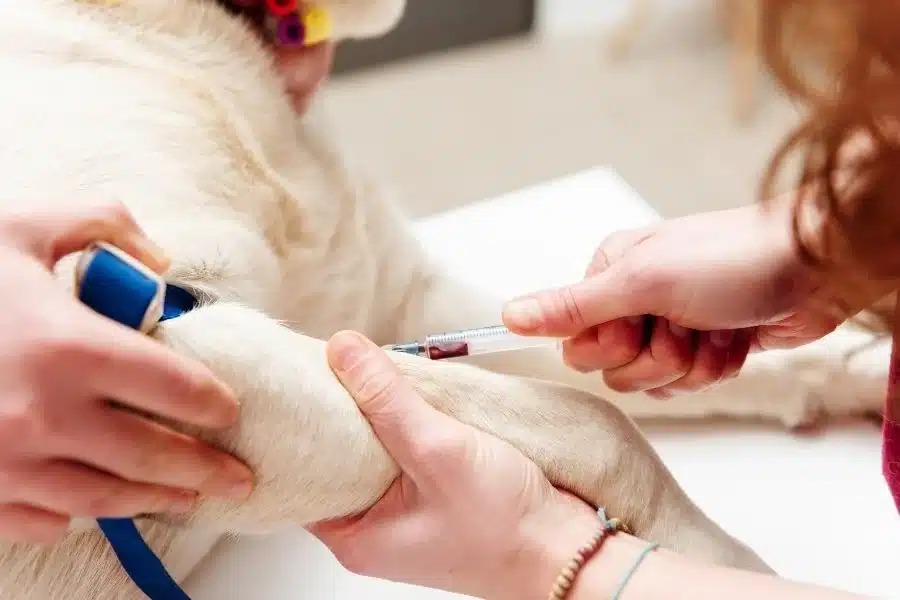
Your pet cannot explain early sickness. You see only small changes. Routine blood work fills that gap. It shows what is happening inside your pet long before clear signs appear. That early warning can protect a young puppy, a strong adult, or a quiet senior cat. It can also guide care after surgery or during long term treatment. A simple blood test can uncover infection, organ strain, anemia, or hidden effects from medicine. It can also create a clear baseline when your pet is healthy. That way you and your Monroe Veterinarian can spot even small shifts later. Regular testing also supports safe anesthesia, smart nutrition choices, and calm planning for aging pets. You gain facts instead of fear. You gain time to act, not just react. Routine blood work is a steady way to guard your pet’s health at every stage of life.
1. You catch hidden sickness early
Most pets hide weakness. By the time you see clear signs, sickness can be strong. Blood work often finds trouble long before your eyes do.
Common early findings include:
- Rising kidney values before your pet drinks or pees more
- Liver strain before vomiting or appetite loss
- Thyroid changes before weight shifts
- High blood sugar before clear signs of diabetes
The U.S. Food and Drug Administration explains that regular checks help find sickness sooner and improve outcomes. Blood work turns a “wait and see” moment into a clear choice. You and your veterinarian can start treatment, change food, or adjust medicine while your pet still feels strong.
2. You set a healthy baseline for life
Normal is different for every pet. A baseline shows what “normal” looks like for your own dog or cat when healthy. Future tests then have a clear point to compare.
Baseline blood work is most useful when done:
- At the first puppy or kitten visit
- Before spay or neuter surgery
- During the young adult years, when your pet seems strong
Some pets live with values that sit near the edge of the standard range. Without a baseline, those results might look scary or might be brushed off. With a baseline, your veterinarian can see if a small rise or drop is new. That small change can be the first sign of kidney disease, thyroid trouble, or early infection.
3. You improve safety for surgery and anesthesia
Any surgery carries risk. Routine blood work reduces that risk. Pre-anesthesia tests show how your pet’s organs handle medicine and stress.
Common checks before surgery include:
- Kidney values to see how your pet clears drugs
- Liver values to see how your pet processes drugs
- Red and white blood cell counts
- Clotting checks if needed
If results show concern, your veterinarian can change the plan. That might mean a different drug, more fluids, or even delaying surgery until your pet is safer. This is especially important for seniors. The American Veterinary Medical Association explains that early screening in older pets helps guide safe treatment and surgery choices.
4. You track chronic conditions and medication effects
Many pets live long lives with long-term conditions. Kidney disease, thyroid disease, diabetes, and allergies are common. Long-term medicine can also strain organs. Routine blood work shows how well the plan is working.
Blood tests can help you:
- See if kidney or liver values stay stable or creep up
- Confirm that thyroid levels stay in range
- Check for anemia from long-term sickness
- Watch for side effects from pain medicine, seizure drugs, or steroids
With clear numbers, your veterinarian can adjust dose, change drugs, or add support care. You avoid silent damage that might grow over months. You also avoid guessing about whether a treatment helps or harms.
5. You plan for healthy aging
Aging is not a sudden event. It is a slow change. Routine blood work gives you a clear road map as your pet moves from adult to senior to very old.
For older pets, regular tests can help you:
- Spot early kidney disease and change food before crisis hits
- Find thyroid disease that can affect heart, weight, and mood
- See protein loss or anemia that signals deeper problems
- Make end-of-life choices based on facts, not fear
With honest numbers, you can plan. You can adjust daily care, home setup, and vet visit schedule. You can also set clear goals for comfort and dignity.
How often should pets get blood work
Every pet is different. Still, some simple rules can guide you. The table below gives general timing. Your veterinarian may change this based on breed, past sickness, or medicine use.
| Pet life stage | Typical age range | Suggested blood work schedule
|
|---|---|---|
| Puppy or kitten | 0 to 1 year | At first visit. Then, before spaying or neutering. Repeat if sickness or fast growth issues appear. |
| Young adult | 1 to 6 years old dog. 1 to 7 years cat. | Every 12 months with a yearly exam. More often, if on long-term medicine. |
| Middle age | 7 to 9 years old dog. 8 to 10 years cat. | Every 6 to 12 months. Include full chemistry, blood count, and often thyroid check. |
| Senior | 10 years and older dog. 11 years and older cat. | Every 6 months or as advised. Closer checks for the kidney, liver, thyroid, and blood sugar. |
How to prepare your pet for blood work
You can make the visit calmer with a few simple steps.
- Ask if your pet should fast. Many tests work best after 8 to 12 hours without food.
- Bring a list of all medicines, treats, and supplements.
- Share any small changes you see. Changes in thirst, pee, stool, breath, or mood matter.
- Use a calm voice and steady touch. Your pet will feel your steady presence.
Most blood draws are quick. A skilled team uses tiny needles and gentle handling. Any brief sting is small compared to the safety and answers you gain.
Turning numbers into action
Blood work is not just numbers on a page. It is a story about your pet’s body. When you repeat tests over time, that story becomes clear. You see patterns. You see slow climbs or drops. You see how choices on food, weight, and medicine change the story.
With routine blood work, you choose action instead of delay. You give your pet a better chance at long, steady health. You also give yourself fewer sudden shocks and late-night emergencies. That is the quiet power of regular testing at every stage of your pet’s life.
