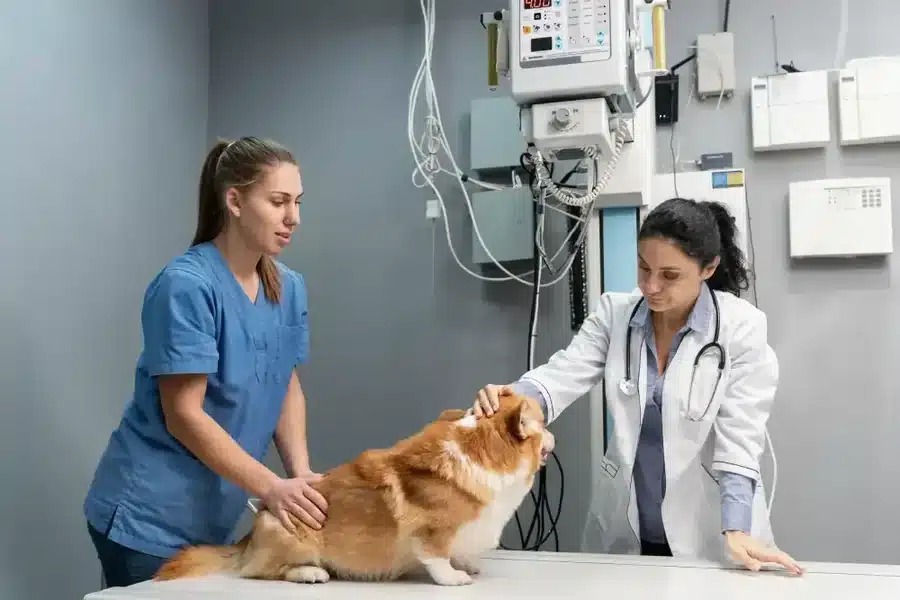
You might be feeling a quiet mix of worry and guilt every time you look at your pet. You do your best, you buy good food, you show up for vaccines when you remember, yet there is always that nagging thought in the back of your mind, wishing you had reliable animal care backed by experience. “Am I missing something that could hurt them later?”end
Maybe you have already been through a scare. A sudden limp that turned out to be something more serious than you expected. A late night emergency visit that left you shaken and staring at a bill you were not prepared for. Before that moment, things felt simple. After, everything feels a bit more fragile.
Because of that shift, you might be wondering if there is a way to feel more prepared, more informed and less blindsided. That is where preventive education from veterinary clinics quietly changes the story. It does not just protect your pet. It protects your peace of mind, your budget and even your family’s health.
In simple terms, when your veterinary team takes time to teach, not just treat, you get fewer emergencies, earlier warnings when something is off and a clearer idea of what really matters for your pet’s health. You spend less time guessing and searching the internet at midnight, and more time feeling confident about the choices you make for your animal.
Why does pet health feel so confusing, and how can education calm things down?
The problem usually starts with uncertainty. You see so much advice online. Raw food. Grain free. Supplements for everything. At the same time, your pet’s needs change with age, breed and lifestyle. It is easy to feel overwhelmed and to shut down until there is a crisis.
That confusion can lead to three common traps. You put off routine checkups because nothing “seems” wrong. You react only when there is obvious pain or illness. Or you try to manage complex issues on your own with tips from social media or well meaning friends. All of that comes from love, but it can still cause harm.
Imagine two dogs of the same age. One sees the vet each year, and the clinic spends a few extra minutes explaining weight, dental care and early arthritis signs. The owner knows what to watch for and what small daily habits matter. The second dog only goes in when something looks urgent. The owner has no idea what subtle changes to note. Years later, the first dog is still moving well with a manageable plan. The second is facing painful joints, expensive medication and regret that things were missed.
So where does that leave you as an owner who wants to do better but does not want to live in constant fear?
This is where proactive veterinary education comes in. When your vet talks you through risks, vaccines, parasite control, nutrition and behavior in plain language, the fog starts to lift. You move from guessing to understanding. You begin to see patterns. You notice issues earlier. You can plan instead of scramble.
There is another layer many owners do not think about at first. Some pet diseases and parasites can affect humans, especially children, older adults or anyone with a weaker immune system. Resources like the CDC’s guidance on how pets and people share germs show that pet health and human health are tightly linked. When your vet teaches you how to prevent those problems, they are protecting your whole household, not just your animal.
What are the real tradeoffs of “I’ll figure it out” vs learning with your vet?
It can help to see the difference between trying to manage everything on your own and building a learning partnership with your veterinary clinic. The costs are not only financial. They are emotional too.
| Approach | Short Term Feel | Long Term Impact | Typical Example |
| DIY, internet based care | Feels cheaper and faster at first | Higher risk of missed disease, more emergencies and guesswork | Using online advice to treat repeated vomiting instead of asking your vet, leading to dehydration and an ER visit |
| Clinic visits without education | Problem gets treated, but you still feel in the dark | Same issues may return, you stay dependent on last minute fixes | Ear infections keep coming back because no one explained daily cleaning or allergy triggers |
| Clinic care with strong preventive education | Requires a bit more time and questions up front | Fewer surprises, earlier detection, lower lifetime costs | You learn how to check teeth and weight at home, so your vet catches dental disease early during a routine exam |
Research and public health data support this. Regular preventive care, vaccines and parasite control lower the risk of illness for pets and people. The CDC offers clear educational materials for pet owners that match what many veterinary clinics teach. When clinics share this kind of information with you and apply it to your specific pet, it is not extra. It is the foundation of safer, calmer living with animals.
You may still wonder if you really have time for longer conversations at the vet, or if you are just being “too worried.” The truth is, a few focused minutes of education today can save hours of anxiety and days of recovery later. It can also prevent the emotional weight of thinking “If only I had known.”
How can you start using preventive education from your veterinary clinic right now?
You do not need to become a medical expert. You only need a simple plan and the willingness to ask clear questions. Here are three steps you can take with your current veterinary clinic, starting at your next visit.
1. Turn routine visits into learning sessions
Instead of viewing checkups as quick boxes to tick, treat them as a chance to get real answers. Before your appointment, write down 3 to 5 questions. For example.
- What are the most important things I should watch for in my pet over the next year?
- Are my pet’s weight, teeth and activity level where they should be for their age and breed?
- Which vaccines and parasite preventives are truly necessary for my pet’s lifestyle, and why?
Share your list at the start of the visit. This gently signals that you want education, not just treatment. Most veterinary teams welcome that. It helps them tailor advice and catch things you might not see.
2. Ask for simple, repeatable home habits
Information only helps if you can use it. Ask your vet or technician to show you two or three specific things you can do at home, and how often. For example.
- How to check gums, eyes and ears once a week and what “normal” looks like
- How to brush teeth or use dental chews safely
- How to give parasite prevention on time and what signs of fleas or ticks look like on your pet
This is where the value of a veterinary clinic really shows. You are not just handed medication. You are taught how to build small daily habits that lower risk. Over time, these habits become routine, and you will start noticing early changes without feeling like you are constantly on alert.
3. Build a simple yearly prevention plan
Ask your vet to help you map out a one year plan that covers vaccines, parasite control, nutrition checks and any age related screenings your pet might need. Keep it as simple as possible. A short list of dates or reminders works better than a long lecture you will forget.
You can keep this plan on your fridge or in your phone calendar. When you see what is coming, you can budget for it, arrange time off work if needed and avoid the stress of rushed decisions. Over the years, this kind of planning supports both your wallet and your pet’s comfort.
Where does this leave you as a caring pet owner?
You do not need to be perfect. You only need to be willing to learn and to partner with your veterinary team. When you embrace preventive pet health education, those quiet worries start to lose their grip. You still love your pet just as much, but that love is guided by knowledge, not fear.
Your pet does not know how to ask for vaccines, dental care or early lab work. They only know they trust you. By using the education your clinic offers, you honor that trust in a very practical way. Fewer emergencies. Clearer decisions. A calmer home.
So the next time you walk into your veterinary clinic, take a breath and remember. You are not just there to fix a problem. You are there to learn how to prevent the next one. That small shift can change the whole story for you and the animal who depends on you.
