Social media has changed the way we capture and share our favorite moments. With a quick tap, we can brighten a sunset, sharpen a portrait, or add a filter that transforms an ordinary photograph into something extraordinary. From Instagram stories to carefully curated photo galleries, visual content has become an important part of how we express ourselves.
But while technology can enhance the images we share, there’s something special about appreciating the world clearly in real life. For people who rely on glasses or contact lenses, modern vision correction options such as LASIK offer an opportunity to improve their eyesight and experience visual details with less dependence on corrective eyewear.
Why We’re Drawn to Beautiful Visuals
Think about the photographs that make you stop scrolling. Maybe it’s a breathtaking mountain landscape, a colorful city street, or a candid portrait that captures someone’s personality.
These images remind us how much visual details contribute to our experiences. Colors, textures, expressions, and movement all help us connect with the world around us.
Of course, appreciating those details begins with healthy vision. While glasses and contact lenses effectively correct many common vision problems, some people are interested in alternatives that offer greater independence from prescription eyewear.
That’s where advances in laser vision correction come into the picture.
How Modern LASIK Helps Improve Vision
LASIK, short for laser-assisted in situ keratomileusis, is a surgical procedure designed to correct common refractive errors, including nearsightedness, farsightedness, and astigmatism.
The procedure uses specialized lasers to reshape the cornea, helping light focus more accurately on the retina. For suitable candidates, this can significantly reduce the need for glasses or contact lenses.
LASIK can provide effective vision correction for appropriately selected patients, although individual results vary.
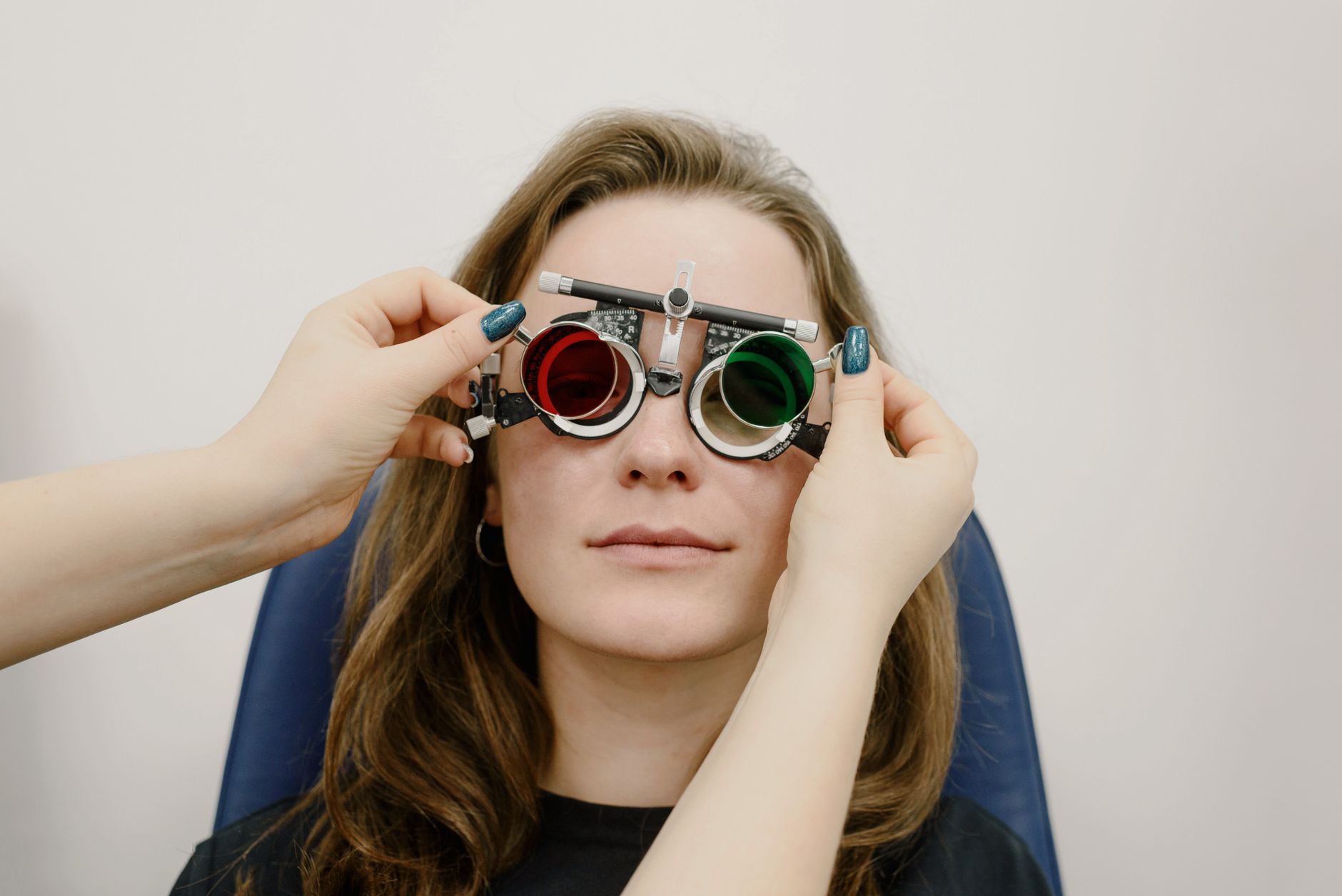
Modern diagnostic technology also allows ophthalmologists to examine the eyes in considerable detail before recommending treatment. Measurements of corneal thickness, shape, and overall eye health help determine whether someone is a good candidate.
Personalized Care Makes a Difference
Just as no two photographs capture exactly the same perspective, no two patients have identical vision needs. A successful approach to laser vision correction begins with understanding the individual. Prescription history, eye health, lifestyle, and treatment expectations all influence whether LASIK is appropriate.
For example, at Travers LASIK in Raleigh, North Carolina, Dr. Lori Travers and her team specialize in laser vision correction and personalized patient evaluations. Dr. Travers is a board-certified ophthalmologist with extensive experience performing refractive surgery. The practice emphasizes advanced diagnostic technology, individualized treatment planning, and patient education.
For people exploring their options, consulting an experienced eye surgeon, like Dr. Travers, provides an opportunity to ask questions, understand the procedure, and determine whether LASIK aligns with their vision goals.
The Difference Between Digital Clarity and Real-World Vision
Today’s smartphones can automatically sharpen photographs, adjust lighting, and enhance colors. However, digital image processing and human vision work in very different ways. A camera filter changes the appearance of an image. LASIK addresses how the eye focuses light, potentially improving visual clarity without corrective lenses.
It’s also important to understand what LASIK cannot do. The procedure doesn’t prevent every age-related vision change, and some patients may still need glasses for reading or certain activities.
Not everyone qualifies for surgery, either. Conditions such as significant dry eye, unstable prescriptions, or certain corneal abnormalities can affect eligibility. The FDA’s LASIK surgery checklist offers helpful information about potential risks, including dry eyes, glare, and halos, along with questions to discuss before treatment.
Understanding both the possibilities and limitations helps patients make informed decisions.
Finding Beauty Beyond the Screen
Social media encourages us to notice beautiful moments, but those moments don’t need to be photographed to be meaningful. Sometimes, the most memorable details are the ones we experience without reaching for a phone.
For suitable candidates, LASIK offers the possibility of enjoying clearer vision with less reliance on glasses or contact lenses. With modern technology, professional guidance, and realistic expectations, exploring laser vision correction can be a positive step toward personal vision goals.
Filters may help us create beautiful pictures, but appreciating the world around us begins with how we see it.
