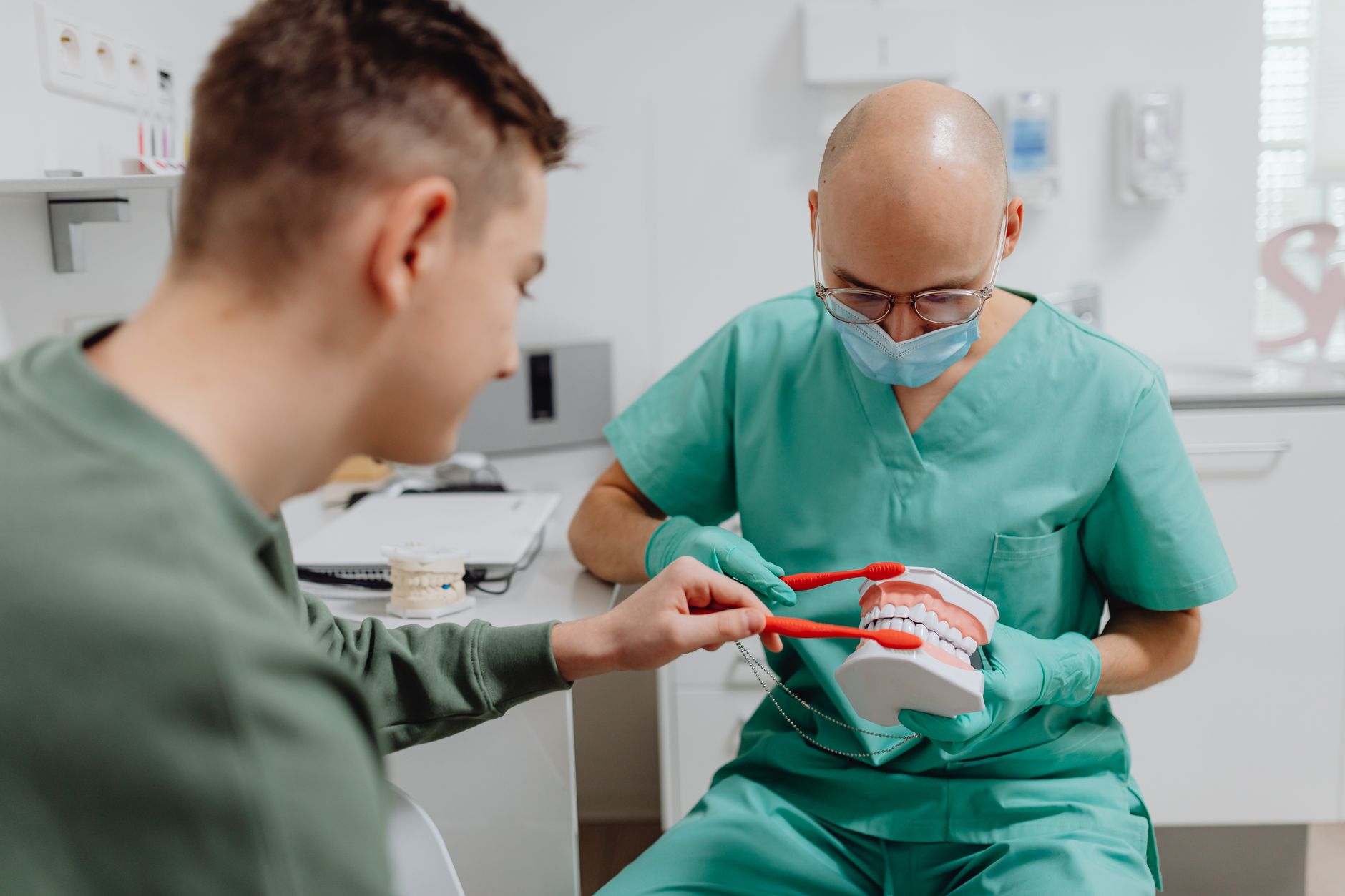
Walking into a new dental office can bring up more stress than people like to admit. You may be thinking about cost, pain, awkward small talk, or whether your child will cooperate in the chair. If it has been a while since your last visit, that tension can feel even heavier. A first appointment with an experienced dentist in Ladera Ranch is usually much simpler than people expect. You can count on paperwork, a review of your health history, an exam, and often a cleaning, along with time to talk through any concerns about your teeth, gums, or your child’s oral habits.
A family dentist treats patients at different life stages, which means the visit is built to work for adults, teens, and young children. That matters when one person needs a routine cleaning, another needs sealants, and someone else wants to ask about tooth pain or bleeding gums. A good office keeps the process clear, calm, and practical, so you leave knowing what is going on and what comes next.
Your first family dental visit starts with the basics
The first part of the appointment usually happens before anyone looks at your teeth. You will fill out forms about your medical history, medications, allergies, past dental treatment, and insurance if you have it. This part can feel tedious, but it shapes safe care. Certain medications affect bleeding, dry mouth, and healing. Conditions like diabetes, pregnancy, and heart issues can change how dental treatment is planned.
After that, a dental hygienist or assistant may take X-rays, depending on your age, history, and symptoms. If you are bringing a child, the team may keep things short and simple at the first visit, especially if the child is nervous. For adults, X-rays often help spot decay between teeth, bone loss, old dental work that is failing, or signs of infection that are easy to miss in a mirror.
The exam itself is straightforward. The dentist checks your teeth, gums, bite, jaw, and soft tissues inside your mouth. They may measure the space around your gums to look for signs of gum disease. According to the NIH oral and dental health resources, oral health is closely tied to your overall health, which is one reason these visits cover more than cavities alone.
A first dental appointment often reveals issues you have been putting off
This is the part many people dread. You already suspect something is wrong, maybe sensitivity on one side, bleeding when you floss, or a child who avoids chewing on a sore tooth. Hearing it confirmed can stir up guilt, especially if life got busy and dental care slipped down the list. That reaction is common, and it does not help. What helps is getting clear information before a small issue turns into a bigger one.
A first visit to a family dentist may uncover plaque buildup, early cavities, worn fillings, signs of grinding, or gum inflammation. None of that automatically means a long list of procedures. Sometimes the answer is a cleaning, better home care, and a recheck. Sometimes treatment needs to happen soon because infection, decay, or gum disease gets worse quietly.
If your child is the patient, the visit may also cover thumb sucking, mouth breathing, fluoride needs, sealants, and how teeth are developing. The dentist may watch how your child responds before deciding how much to do in one sitting. That patience is part of good family care. The goal is not to force a perfect appointment. The goal is to build trust and keep oral care from becoming a fight every six months.
For readers wondering about pain, a routine exam and cleaning should not be severe. If your gums are inflamed or there is heavy tartar buildup, you may feel tenderness. Saying that out loud helps. When the team knows you are anxious or sensitive, they can slow down, explain each step, and make the visit more manageable.
Family dentist visits balance prevention, comfort, and cost
One reason people delay seeing a dentist is money. Another is fear that one appointment will turn into a chain of expensive treatment. The truth usually sits in the middle. Preventive care costs less than waiting until pain forces an urgent visit. A basic exam can also help you plan instead of reacting.
| Situation | What usually happens | Likely cost impact | Stress level |
| Routine first appointment with no major issues | Exam, X-rays if needed, cleaning, home care advice | Lower and easier to predict | Usually lower |
| Delayed visit with tooth pain or bleeding gums | Exam, X-rays, diagnosis, possible deep cleaning or restorative treatment plan | Higher because problems have progressed | Often higher |
| Child’s early preventive visit | Quick exam, cleaning if tolerated, fluoride, guidance for parents | Lower and prevention focused | Depends on child comfort |
This is why many people do better with a family dental checkup before there is a crisis. You get a baseline. You find out whether the issue is urgent, watchful, or minor. You also get a chance to ask what treatment can be phased over time if cost is a concern.
There is also the health side. The MedlinePlus overview of tooth disorders explains that dental problems range from cavities and gum disease to tooth loss and infection. Problems that start small can affect eating, sleep, concentration, and confidence faster than people expect.
Simple steps make your first appointment with a dentist easier
Bring the right details. Take your ID, insurance card if you have one, medication list, and any dental records or X-rays from a previous office if they are available. If you have pain, make notes before the visit. Write down when it started, what triggers it, and whether it wakes you at night.
Say what you are worried about. If you are anxious, embarrassed, pregnant, sensitive to sound, or bringing a child who struggles with new places, say so early. A good family dentist can adjust the pace and explain what is happening in plain language. Silence makes the visit harder than it needs to be.
Ask for the plan in order. If treatment is needed, ask what should be done first, what can wait, what each step costs, and what happens if you delay. That turns a vague, stressful problem into a clear list. Most people handle dental care better when they know the order of things.
Your first visit can be the start of easier dental care
The first appointment is rarely as bad as the buildup in your head. It is a starting point, not a judgment. You go in with questions, discomfort, or uncertainty, and you leave with facts, a cleaner mouth, and a plan that makes sense for your family. If you have been putting it off, booking that first visit is often the hardest part. Once you are in the chair, the process is usually calm, direct, and far more manageable than expected.
Take the next step and schedule your first appointment with a family dentist when you are ready.
