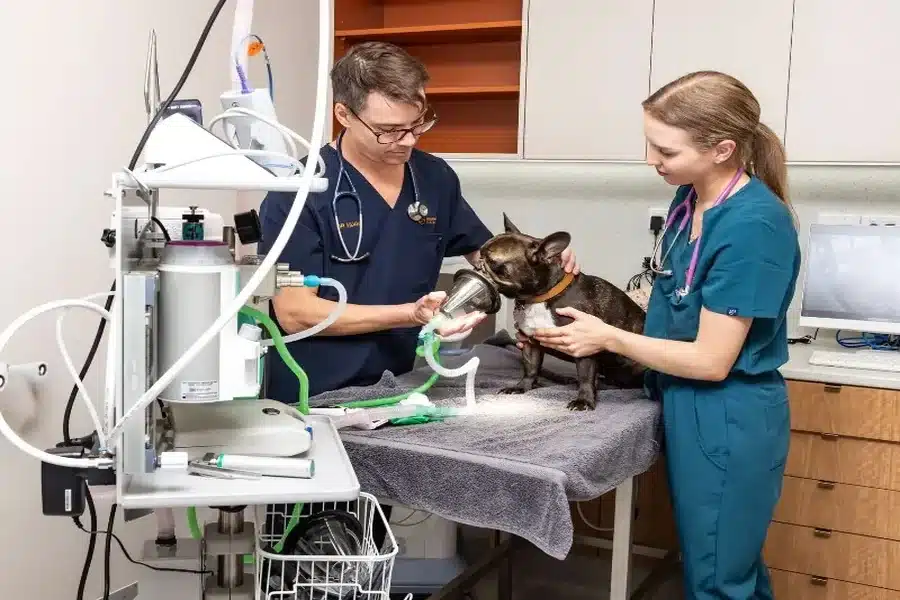
You may be here because your pet is slowing down, hiding more, eating less, or looking at you in a way that feels different. You are trying to measure pain, comfort, and time, all while loving an animal who has been part of your daily life for years. That kind of decision can leave you tired, guilty, and unsure, even when you are acting out of care. In moments like this, compassionate pet care in Rancho Cucamonga can offer support and guidance.
How Animal Hospitals Provide Compassionate End Of Life Care often comes down to one simple goal. They help your pet stay as comfortable and peaceful as possible, and they help you make hard choices with clear information instead of panic. Good care at this stage is not only about euthanasia. It also includes pain control, quality of life guidance, emotional support, and practical help before, during, and after your pet’s final days.
Animal hospitals guide families through comfort, timing, and grief
The hardest part is rarely one single moment. It is the stretch of days or weeks before it, when you are watching small changes and wondering what they mean. A pet may still wag their tail, then struggle to stand an hour later. They may still want to be near you, even when their body is failing. That mix can make people second guess themselves. If your pet still has good moments, does that mean it is too soon? If they are having more bad days than good ones, have you already waited too long?
An animal hospital helps by putting structure around an emotional situation. The veterinary team looks at pain, breathing, appetite, mobility, hydration, anxiety, and response to medication. They talk with you about what daily life looks like at home, because numbers alone do not tell the whole story. A dog with advanced arthritis may still be mentally present but unable to get outside without distress. A cat with cancer may stop grooming, stop eating, and withdraw long before the end is obvious to everyone else.
This is where pet end of life care matters. The goal is not to push a family toward one decision. The goal is to explain what suffering can look like, what comfort can still be supported, and when treatment is no longer giving your pet a life that feels like their own. Many hospitals use quality of life scales and open conversations to help families see the pattern more clearly.
Financial strain can add another layer of pain. Some families are choosing between more diagnostics, another emergency visit, stronger pain control, or planning for euthanasia. That pressure can make people feel ashamed, even when they have already done a great deal for their pet. A compassionate hospital addresses costs directly, explains options in plain language, and helps you focus on what benefits your pet now, not what sounds most aggressive on paper.
Compassionate end of life care in animal hospitals includes more than the final appointment
Thoughtful care usually starts before the last day. Your veterinarian may adjust medications, suggest ways to reduce stress at home, and help you prepare for what changes to expect. If euthanasia becomes the kindest choice, the team should explain the process clearly. Cornell University’s guide to euthanasia for small animals outlines what the appointment often involves, including sedation, the final injection, and what families may see during the process.
That clarity matters because fear often comes from not knowing. Many pet owners worry that their animal will feel afraid or be in pain during the appointment. In a well managed setting, the focus is on comfort and peace. Sedation often helps a pet relax first. The room may be quieter, with blankets, soft lighting, and enough time for you to say goodbye without feeling rushed.
Animal hospital end of life care also includes aftercare choices. Some families want private cremation. Others choose communal cremation or home burial where local rules allow it. Staff members often help with paw prints, fur clippings, or memorial keepsakes because grief is not only emotional. It is physical too. You go home and notice the leash, the bed, the empty corner of the couch.
Support after the loss is part of good medicine. Cornell offers pet loss resources and support, and Ohio State provides pet loss support resources that many families find grounding in the first days and weeks after saying goodbye.
Comparing common end of life care paths for pets
| Care Path | What It Includes | Best Fit | Main Challenge |
| Palliative care | Pain control, nausea relief, mobility support, appetite support, home comfort planning | Pets with serious illness who still have meaningful comfort and interaction | Symptoms can change quickly, requiring close monitoring |
| Hospice style support | Frequent quality of life checks, comfort focused care, family guidance as death approaches | Families who want to maximize comfort at home for as long as it remains humane | Emotional strain and uncertainty about timing |
| In clinic euthanasia | Sedation, peaceful passing, staff support, aftercare coordination | Pets needing a controlled medical setting or urgent relief from suffering | Travel can be stressful for some pets |
| Home euthanasia, if offered or referred | Final appointment in familiar surroundings, often with family present | Pets who are anxious in clinic or families who want a home setting | Availability and cost may be limiting |
Clear steps help you make decisions without panic
Track good days and hard days. Write down eating, sleeping, breathing, bathroom habits, mobility, and signs of pain for several days in a row. Memory gets blurry when you are stressed. A simple log can show patterns you might miss in the moment.
Ask for a quality of life conversation. Do not settle for vague reassurance if your gut says your pet is declining. Ask your veterinary team to walk through comfort, prognosis, and what changes would signal that it is time to act. This is one of the most useful parts of animal hospice care and general veterinary support.
Make the practical plan before the crisis. Decide who will be present, whether children should attend, what aftercare you want, and how payment will be handled. Planning these details early protects you from making every decision while your pet is actively suffering.
Kind care at the end protects your pet and your bond
There is no perfect final day, and there is rarely a moment that feels easy. There is a kind, humane path, and that is what a good animal hospital helps you find. When comfort is fading and suffering is growing, choosing peace is not giving up on your pet. It is one last act of care rooted in love.
If your pet’s condition is changing, reach out to an animal hospital and ask for an end of life consultation. You do not need to sort through this alone.
