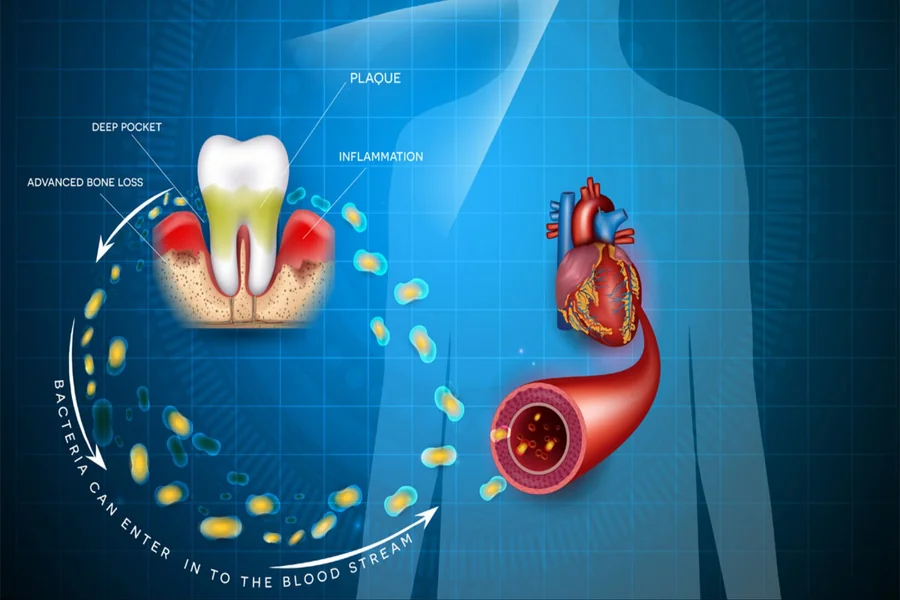
Your oral health impacts more than just your smile. Recent studies show a strong connection between gum disease and heart health. If you have periodontal disease, your risk for heart disease increases. Gum disease causes inflammation, which can lead to clogged arteries and heart problems. You may not feel the symptoms right away, but addressing gum disease early can prevent heart issues later. The good news is that you have control over your oral health. Daily brushing and flossing are crucial. Regular check-ups with professionals also make a big difference. If you live in New Mexico, Albuquerque periodontal and implant specialists can help you care for your gums and protect your heart. They provide the expertise needed to diagnose and treat gum disease effectively. You can take steps today to improve your health and reduce risks. Remember, protecting your gums means protecting your heart too.
Understanding Gum Disease
Gum disease begins with plaque buildup. Plaque is a sticky film of bacteria on your teeth. If not removed through brushing and flossing, plaque hardens into tartar. Tartar can only be removed by a dental professional. When plaque and tartar build up along the gum line, gums become inflamed. This condition is called gingivitis, the earliest stage of gum disease. If untreated, gingivitis can progress to periodontitis. At this stage, gums pull away from teeth and form spaces that become infected. The body’s immune response to these infections can damage the tissues and bones that support the teeth.
Link Between Gum Disease and Heart Disease
The body is an interconnected system. Inflammation from gum disease contributes to inflammation in the cardiovascular system. Research shows that the bacteria in infected gums can enter the bloodstream. Once in the bloodstream, these bacteria can contribute to the formation of arterial plaque. This process can increase your risk for a heart attack or stroke. According to the National Institute of Dental and Craniofacial Research, maintaining good oral hygiene can help reduce this risk.
Identifying Symptoms
Early detection of gum disease is vital. Here are common symptoms to watch for:
- Red or swollen gums
- Bleeding gums, especially after brushing or flossing
- Persistent bad breath
- Receding gums
- Loose or sensitive teeth
If you notice any of these symptoms, consult a dental professional. Early treatment can prevent further health complications.
Preventive Measures
Preventing gum disease is simple with daily habits:
- Brush your teeth twice a day with fluoride toothpaste
- Floss daily to remove plaque between teeth and under the gum line
- Visit your dentist regularly for check-ups and cleanings
- Avoid tobacco products, which increase gum disease risk
These actions support both oral and heart health. According to the Centers for Disease Control and Prevention, good oral hygiene reduces the risk of heart disease.
Comparing Risks
| Condition | Associated Risk |
|---|---|
| Periodontal Disease | Increased heart disease risk |
| Heart Disease | Linked to oral health issues |
| Smoking | Increased risk for both conditions |
Taking Action
Understanding the connection between gum and heart health empowers you to take control. By maintaining good oral hygiene, you protect your heart. Regular dental visits ensure early intervention and effective treatment. If you have any concerns about your oral or heart health, reach out to healthcare professionals. They provide guidance and support for your well-being. Taking these steps improves your quality of life and reduces health risks.
In conclusion, your oral health is more than just a bright smile. It is a crucial part of your overall health. By caring for your gums, you take a vital step towards a healthier heart. Make oral hygiene a priority today and enjoy the benefits for years to come.
