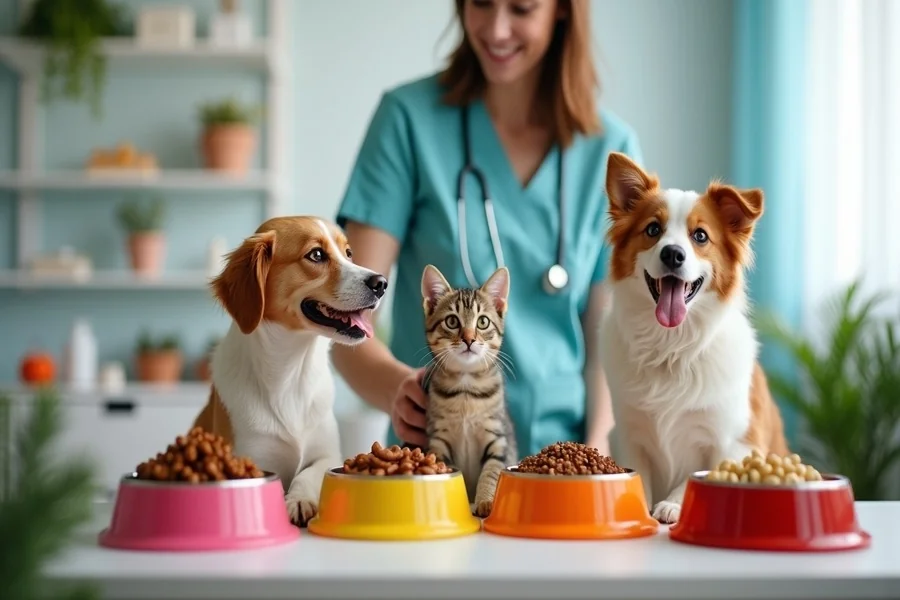
You face many food choices for your pet. Bags and cans promise health, energy, and long life. Labels feel confusing. Online advice often clashes. You want to do the right thing, yet you worry about making a mistake that could hurt your pet. That pressure is heavy. A Chester County vet helps you sort through the noise. You get clear facts, not trends. You get a plan that fits your pet and your budget. This blog shows five ways a vet guides you through pet nutrition. You learn how a vet reads labels, spots red flags, and weighs new products. You also see how a vet adjusts food when your pet ages, gains weight, or develops medical needs. With that support, you stop guessing. You start feeding with purpose and calm.
1. Vets Turn Confusing Labels Into Clear Choices
Pet food labels feel like a puzzle. You see long words, bold claims, and tiny print. A vet breaks it down into simple parts you can use.
You learn to look for three core points.
- The statement from the Association of American Feed Control Officials that shows the food meets basic nutrition standards
- The life stage the food is made for such as growth, adult, or all life stages
- The ingredient list and where protein, fat, and carbs come from
A vet also explains what claims like “natural” or “grain free” really mean. You see where the law sets limits. You also see where marketing fills the gaps.
2. Vets Match Food To Life Stage And Health Needs
Pets do not need the same food at every age. A growing puppy or kitten needs different fuel than a calm senior cat. You also may live with a pet that has allergies, kidney trouble, or joint pain. Food choices matter more in those moments.
A vet starts with three questions.
- How old is your pet
- What is your pet’s current body condition and weight trend
- Does your pet have any health diagnosis or past health scares
Then the vet builds a plan. That plan might use regular food or a special diet. It might shift over time as your pet grows or heals. You walk away with a clear answer. You know what bag or can to buy and how much to serve.
3. Vets Help You Avoid Common Nutrition Traps
Some choices feel kind but carry hidden risk. A vet helps you avoid those traps before they cause harm.
Common traps include:
- Home cooked diets that miss key nutrients
- Raw meat diets that raise bacterial infection risk in pets and people
- Too many treats that push slow weight gain
- Feeding table scraps that upset digestion or add toxic foods like onions or grapes
Vets do not judge. You and your vet look at what you feed now and where you can tighten up. For example, you might learn to swap fatty snacks for small pieces of cooked carrot. You might change from free feeding to measured meals. You see each step and why it matters.
4. Vets Use Science To Set Portions And Track Weight
Guessing how much to feed leads to slow harm. Extra weight strains joints, the heart, and the lungs. It shortens life. Yet many owners do not see small weight gain until it becomes large.
A vet uses body weight, body condition score, and activity level to set a feeding target. You get a clear number in cups or grams per day. You also get a plan for treats so you can show love without overfeeding.
The table below shows a simple example for dogs. Your vet will adjust for your own pet.
| Dog weight | Daily calories | Dry food cups per day* | Treat limit
|
|---|---|---|---|
| 10 lb | 300 kcal | 0.8 cup | Up to 30 kcal |
| 25 lb | 700 kcal | 1.8 cups | Up to 70 kcal |
| 50 lb | 1,100 kcal | 2.8 cups | Up to 110 kcal |
*Example only. Actual cups depend on the energy content on your food label.
During checkups, your vet weighs your pet and checks body shape. You talk through changes at home. You can change portions early instead of waiting for a crisis.
5. Vets Guide You Through Trends And Tough Questions
New diets and products appear every year. You see grain free foods, exotic meat recipes, supplements, and “ancestral” diets. Some may help certain pets. Others may carry risk. You should not have to sort this out alone.
A vet reviews current science from trusted groups such as veterinary colleges and government agencies. For example, the American Veterinary Medical Association pet food safety page shares clear guidance on recalls and safe feeding. Your vet uses this type of source to answer questions like:
- Is grain free food right for your dog
- Does your cat need a high protein diet
- Should you add supplements like fish oil or joint support
- How do you switch brands without upsetting your pet’s stomach
You get straight talk. If a trend has no clear benefit, your vet will say so. If a change might help, your vet describes the risk, the cost, and the steps to monitor your pet.
How To Work With Your Vet On Nutrition
You get the best help when you share honest details. Before each visit, write down three short notes.
- What brand and product you feed including treats
- How much you feed in cups, grams, or pieces
- Any changes in weight, energy, stool, or skin
Bring photos of food labels if you cannot bring the bag. Ask direct questions. Ask what your vet feeds their own pets. Ask how to know if the plan works. That type of open talk builds trust.
Nutrition choices shape your pet’s daily comfort and long term health. You do not need to carry that weight alone. With a steady vet partner, you can move from fear and guesswork to clear steps and calm meals.
