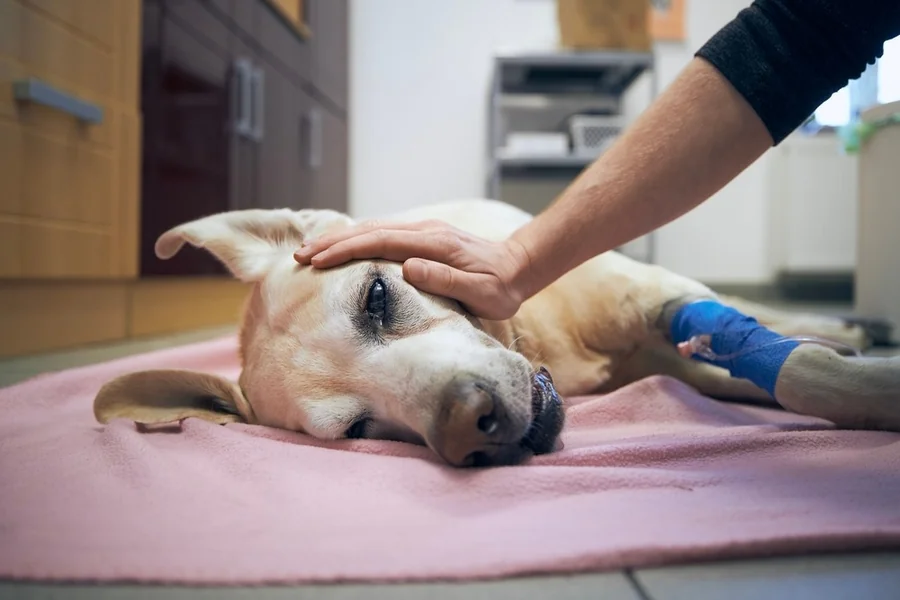
Facing the end of your pet’s life is heavy and frightening. You want to ease their pain and protect their dignity. A veterinary clinic in Dallas understands this and offers clear guidance when you feel lost. You do not have to guess what your pet is feeling. You can work with a team that reads small changes in breathing, posture, and mood. You can ask hard questions about suffering and comfort. You can learn what to expect in the final days, how to manage pain, and how to decide when it is time to say goodbye. You also receive support for your own grief, before and after the last visit. This blog explains how clinics listen, explain options, and honor your bond. It shows how you can give your pet a peaceful goodbye and keep your own heart from breaking alone.
Understanding When Your Pet May Be Suffering
You know your pet better than anyone. Yet the last stage of life can still feel confusing. You might worry that you missed a sign or waited too long. Clinics help you read those signals in a clear way.
- Changes in eating and drinking
- Trouble standing, walking, or using the bathroom
- Hiding, crying, or showing sudden anger
- Hard or fast breathing and restless nights
Veterinarians use these signs to score your pet’s quality of life. They ask about good days and bad days. They look for small joys that remain. You talk through this together. You do not carry the decision alone.
You can also review trusted guidance from the American Veterinary Medical Association on how euthanasia works and what to expect.
Types of End of Life Care Clinics Offer
End of life care is not only the last injection. It is a set of choices that aim to reduce fear and pain. You decide which path fits your pet and your family. The clinic explains each step in plain language.
Common End Of Life Care Options
| Type of Care | Main Goal | Where It Happens |
|---|---|---|
| Palliative care | Ease pain and stress while your pet stays with you | Home or clinic |
| Hospice care | Support during the final days or weeks with close monitoring | Mostly at home with clinic visits |
| Planned euthanasia | Provide a peaceful and controlled death | Clinic exam room or at home |
Palliative care can include pain medicine, special diets, soft bedding, and help with grooming. Hospice adds a clear plan for emergencies and regular check ins. Euthanasia is chosen when comfort is no longer possible. Each option keeps your pet’s comfort at the center.
How Clinics Manage Pain And Comfort
You do not have to watch your pet suffer. Clinics use many tools to ease pain and fear. You talk about what you see at home. The team then builds a simple plan.
- Pain medicine and careful dosing
- Anti nausea drugs and help with appetite
- Support for breathing and heart strain
- Soft blankets and calm handling during visits
Some clinics offer home visits for pets who struggle to travel. Others set you up with supplies so you can care for your pet at home. You receive clear instructions in writing. You also learn which signs mean it is time to call or come in right away.
Preparing For The Final Visit
Planning the last day can reduce fear. You choose what matters most for your pet and your family. The clinic staff walks through the steps in advance so nothing feels rushed.
You can decide:
- Who will be present
- Whether children will attend and how to prepare them
- Which blanket or toy will stay with your pet
- Whether you want quiet, music, or prayer
The team explains the process. First your pet receives a strong sedative. Your pet falls into a deep sleep. Only after that does the veterinarian give the final injection. You can hold your pet, talk, or sit in silence. You set the pace.
The Nemours KidsHealth guide on pet loss can help you talk with children and teens about what is coming.
Choices For Aftercare And Memorials
After your pet has passed, you face new choices. Clinics explain each option with respect. You can ask to see the room or paperwork before the visit so you are not surprised.
- Individual cremation with ashes returned in an urn
- Group cremation without ashes returned
- Home burial where local law allows
- Clay or ink paw prints and fur clippings
Some families hold a small service at home. Others keep a photo book or plant a tree. There is no right way. There is only your way. The clinic’s role is to support what brings you peace.
Support For Your Grief
Grief after pet loss can feel sharp and lonely. You may feel guilt, anger, or numbness. You may question your choices. These reactions are common. They are not a sign of weakness.
Clinics often share:
- Lists of pet loss hotlines and online groups
- Names of counselors who understand pet loss
- Printed guides on grief stages and coping
You can ask for a follow up call or visit to talk about how you feel. You can cry in that space. You can ask again if you made the right choice. Staff hear these questions often. They respond with care and clear facts about your pet’s condition and comfort on that day.
How To Work Closely With Your Veterinary Team
Good end of life care is a partnership. You bring love and daily knowledge of your pet. The clinic brings medical skill and calm support. Together you build a plan that respects both.
You can strengthen that partnership by:
- Keeping a simple diary of your pet’s good and bad days
- Bringing a written list of questions to each visit
- Sharing your fears openly, even if they feel hard to say
When you speak up, the team can adjust medicine, visit timing, or the setting for euthanasia. You gain a sense of control in a time that can feel chaotic.
End of life care is an act of deep loyalty. You stand with your pet from the first day to the last. With clear support from a trusted clinic, you can give your pet gentle comfort and a peaceful goodbye. You can also protect your own heart with honest guidance and shared decision making.
