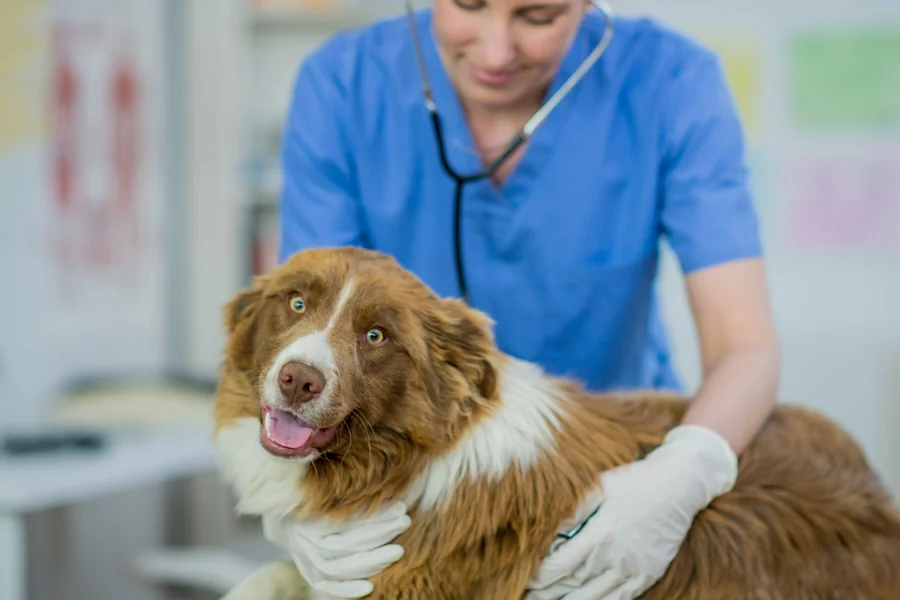
When your pet collapses, vomits, or cries out, you do not have time to guess what to do next. Veterinary urgent care centers exist for that moment. You walk in with fear and questions. You leave with a clear plan. These centers handle sudden problems like breathing trouble, seizures, allergic reactions, and injuries from fights or falls. First, staff check your pet’s heart rate, breathing, and pain. Next, they use quick tests and imaging to find the cause. Then they start treatment to steady your pet and ease suffering. You may see oxygen, IV fluids, or emergency medicine. You may also get simple advice and watchful waiting. If you already have a trusted veterinarian in Gulf Breeze, Fl, urgent care teams often share records and updates. That teamwork gives your pet a safer path through a frightening day.
What Counts As A Pet Emergency
You do not need to decide every detail. You only need to notice clear danger. Call a clinic or urgent care center fast if your pet has any of these signs.
- Struggling to breathe or breathing very fast
- Gums that look blue, gray, or very pale
- Heavy bleeding that does not slow
- Hit by a car or a hard fall
- Seizures or collapse
- Cannot stand or cannot move normally
- Repeated vomiting or diarrhea, especially with blood
- Swollen face, muzzle, or hives after a bite, sting, or food
- Sudden bloated belly with restlessness or retching
- Ingestion of human medicine, chemicals, or plants
You can also call if something just feels wrong. Staff can tell you if you should come in right away or watch at home.
What Happens When You Arrive
Urgent care teams follow a clear pattern. This structure protects your pet and gives you fast answers.
- Check in and brief history. Staff ask what happened, when it started, and what you saw.
- Triage. A nurse or technician looks at breathing, heart rate, gum color, and pain. The sickest pets move first.
- Stabilize. Staff give oxygen, stop bleeding, support breathing, or place an IV line.
- Test. Blood tests, urine tests, and imaging show what is going on inside.
- Plan. The veterinarian explains findings, treatment choices, risks, and costs.
- Treat and monitor. Staff give medicine, fluids, or procedures and watch for change.
- Discharge or transfer. Your pet either goes home with instructions or moves to a 24 hour hospital.
You stay part of each step. You ask questions. Staff give clear answers without pressure.
Common Tests And Treatments You May See
Urgent care centers use focused tools. The goal is to find the cause fast and ease pain.
- Blood tests to check organs, infection, and blood sugar
- Urine tests to check kidneys and bladder
- X rays to look at bones, lungs, and gas patterns
- Ultrasound to look at soft organs and fluid
- Heart rhythm checks for collapse or weakness
- IV fluids for shock, dehydration, or heat stress
- Anti nausea and pain medicine
- Antibiotics for clear infection risks
- Allergy medicine and epinephrine for strong reactions
- Wound cleaning, stitches, and bandages
You may also hear staff explain poison control steps. The ASPCA Animal Poison Control Center and Pet Poison Helpline are common partners. The U.S. Food and Drug Administration lists many household threats that often send pets to urgent care.
How Urgent Care Differs From Your Regular Vet And An ER
It helps to know which type of clinic fits your pet’s crisis. You do not need perfect judgment. You just need a rough guide.
| Type of care | When it is used | Hours | Typical services
|
|---|---|---|---|
| Regular veterinary clinic | Checkups, vaccines, long term illness | Weekday business hours | Wellness care, basic tests, follow up visits |
| Urgent care center | Sudden issues that need fast care but are often stable | Extended hours and weekends | Stabilization, targeted tests, short stay care |
| 24 hour emergency hospital | Life threatening trauma, surgery, round the clock care | All day and night | Intensive care, surgery, advanced imaging |
If you feel unsure, call any of them. Staff can tell you if your pet needs the nearest ER instead of urgent care.
How Staff Protect Your Pet And Your Family
Urgent care teams follow safety rules set by national groups. The Centers for Disease Control and Prevention gives clear steps to lower disease spread between pets and people. Clinics build on those steps.
- Separate waiting spaces for sick and healthy pets
- Hand washing before and after each patient
- Cleaning rooms and tools between visits
- Careful handling of bites, scratches, and body fluids
These habits protect your pet from extra stress and infection. They also protect you, your children, and staff.
What You Can Do Before You Need Urgent Care
A crisis always feels sudden. You can still prepare. Three simple steps help.
- Build a kit. Keep a muzzle, leash, towel, copy of records, and a list of medicines your pet takes.
- Know your clinics. Save phone numbers and addresses for your regular vet, the nearest urgent care center, and a 24 hour ER.
- Watch your pet’s normal. Notice normal appetite, water intake, breathing, and play. Change stands out only if you know the baseline.
During a crisis, stay as calm as you can. Speak in a steady voice. Use a carrier or secure leash. Wrap injured pets in a towel to stop sudden moves. Try not to give human medicine unless a veterinarian or poison expert tells you to do so.
How Urgent Care Teams Support You Emotionally
Sudden illness in a pet can shake you. You may feel guilt, anger, or fear of loss. Staff see that pain every day. Many have lived it at home.
You should expect three things from any urgent care center.
- Clear words with no confusing terms
- Honest talk about risks, costs, and choices
- Space to ask hard questions and time to decide
You never need to hide tears or worry. Your concern shows how much your pet matters. Teams respect that bond. Their work is to steady your pet and also steady you enough to choose the next step.
When you know what urgent care centers do, you gain something quiet but strong. You gain the power to act fast when seconds feel heavy. That action can change the story of a single night with your pet.
