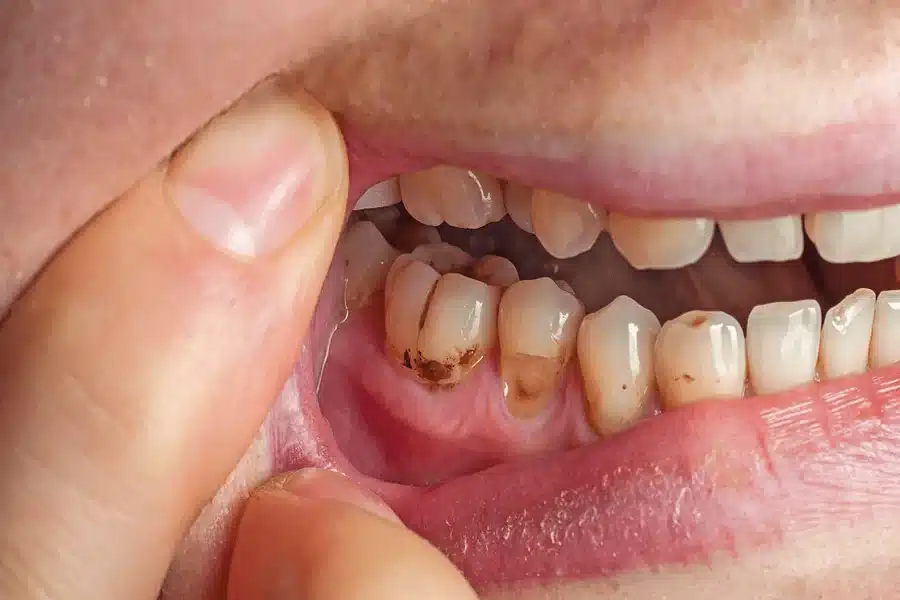
Cavities often grow in silence. You may feel fine. Your teeth may look fine. Yet decay can already be at work. Early detection stops that quiet damage. General dentistry focuses on finding small changes before they turn into pain, infection, or tooth loss. During a routine checkup, your dentist looks for weak spots in enamel, tiny pits, and color changes that you cannot see in the mirror. X rays reveal hidden decay between teeth. Careful probing uncovers soft spots that signal early breakdown. A dentist in Smithfield can explain what these signs mean in clear terms and give you simple steps to stop the progress. Regular visits, honest questions, and quick action protect your smile and help you avoid urgent treatment. You deserve clear answers and steady support so you can keep your teeth strong for life.
What A Cavity Really Is
A cavity is a damaged spot in your tooth. It starts small. Bacteria in your mouth feed on sugar and starch. They create acid. That acid pulls minerals out of your enamel. Over time the surface weakens and breaks. A hole forms. You cannot regrow lost enamel. You can only stop more loss and repair the tooth.
Early stages can be reversed. Your body can put minerals back into weak enamel if you remove plaque and use fluoride. That is why early detection matters. Once a cavity breaks through the surface, you need treatment.
Early Signs Your Dentist Looks For
During a checkup, your dentist checks each tooth for three early signs.
- Color changes
- Texture changes
- Sensitivity changes
Color changes may look like white spots, light brown lines, or dark dots. These spots often sit near the gumline or in the grooves of molars. At home you may miss them. Under a bright light and in a dry mouth they stand out.
Texture changes show up as rough or chalky patches. A healthy tooth feels smooth. A weakened spot can feel soft when touched with a dental tool. This soft spot often marks the first stage of a cavity.
Sensitivity changes can mean trouble. You may feel a quick twinge with cold water or sweet food. The tooth may not hurt all the time. That brief sting can still signal early decay. Tell your dentist about any new or strange feelings, even if they seem small.
Tools General Dentists Use To Find Early Cavities
General dentists use simple tools and clear steps. Each tool helps find decay at a different stage.
How common tools help detect cavities early
| Tool or method | What it shows | What your dentist learns
|
|---|---|---|
| Mouth mirror and bright light | Color changes, plaque, surface chips | Where enamel looks weak or stained |
| Explorer tool | Soft spots, sticky grooves | Whether enamel has started to break down |
| Dental X rays | Hidden decay between teeth and under fillings | How deep decay goes and if it nears the nerve |
| Drying the tooth with air | White chalky spots that appear when dry | Early demineralization that might be reversible |
| Gum checks | Bleeding, pockets, plaque under the gum | Whether gum disease adds to decay risk |
Why X Rays Matter For Early Detection
Cavities often start between teeth. They hide where a mirror and light cannot reach. X-rays pass through soft tissue but slow down in teeth. Decay has less mineral, so X-rays pass through it more. This shows up as darker spots on the image.
Your dentist checks
- The thin spaces between teeth
- The edges of old fillings and crowns
- The roots and jawbone
This helps catch decay before you feel pain. It also helps plan small fillings instead of large ones. The American Dental Association explains typical X-ray schedules for adults and children.
How Dentists Tell Early Spots From Stains
Not every dark speck is a cavity. Food, drinks, and tobacco can stain enamel. A stain stays on the surface and feels hard. Early decay often sits in the same places, such as grooves in molars, so the difference matters.
Your dentist checks
- If the spot feels hard or soft
- If it traps the explorer tip
- If it matches what the X ray shows
If a spot is only a stain, cleaning can remove it. If it is soft or grows over time, your dentist may suggest treatment or close watch.
What Happens When A Dentist Finds Early Decay
When decay is still in the outer enamel and has not formed a hole, treatment often focuses on strengthening the tooth. Your dentist may suggest
- Fluoride toothpaste or mouth rinse
- Fluoride treatment in the office
- Sealants on chewing surfaces in children and some adults
Fluoride helps enamel pull minerals back in. Sealants cover deep grooves where bacteria hide. If a small cavity has formed, a filling repairs the damage and seals out bacteria.
Simple Habits That Support Early Detection
You control much of your cavity risk. General dentistry works best when matched with steady home care. Three habits matter most.
- Brush twice a day with fluoride toothpaste
- Clean between teeth daily with floss or brushes
- See your dentist every six to twelve months as advised
During visits, share changes you notice. Mention new sensitivity, food catching between teeth, or a rough edge. These details help your dentist focus on the right spots.
Helping Children Avoid Silent Cavities
Children often cannot describe early signs. You can support them by
- Booking checkups on a steady schedule
- Limiting sugary snacks and drinks between meals
- Watching for brown or white spots on molars
Ask the dentist about sealants for back teeth and fluoride for home use. These steps lower the chance of sudden toothaches and missed school.
Why Acting Early Protects Your Health
Cavities do not stop on their own. Left alone, decay spreads deeper. It can reach the nerve and lead to infection, swelling, and tooth loss. Early detection keeps treatment small, quick, and less costly. It also protects your comfort, sleep, and ability to eat without fear.
Each checkup is a chance to catch small changes before they grow. With steady visits and honest talk, general dentistry turns silent decay into clear choices and timely care.
